How Long Does Water Damage Restoration Take?
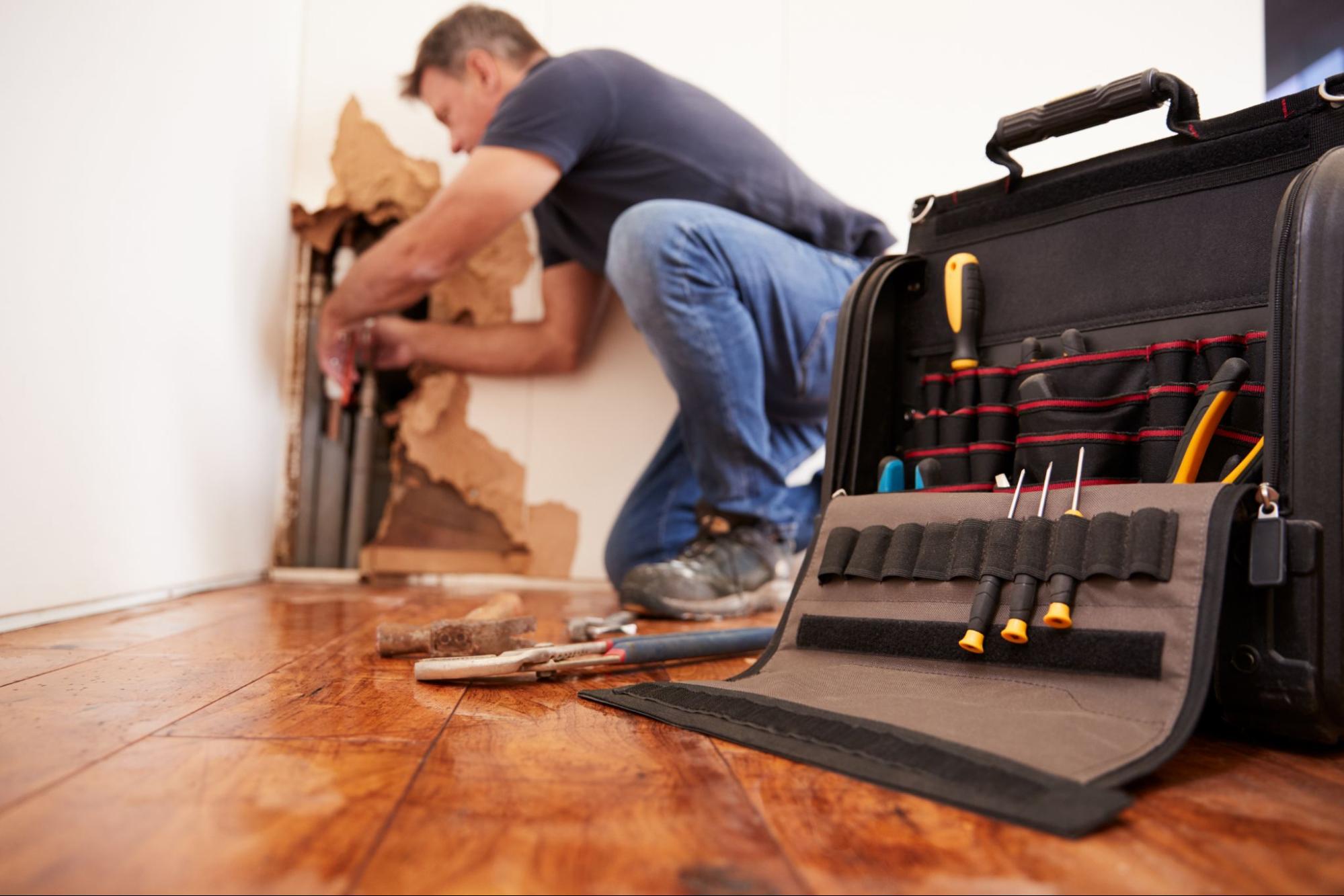
When water invades your home or business, every hour feels like a lifetime. More than anything, you just want life to go back to normal—fast.
But how long does water damage restoration take?
The timeline depends on several factors: the amount and type of water, how quickly professionals arrive, the materials affected, and whether structural repairs are required. For minor incidents, the process may wrap up in just a few days. For severe damage, you could be looking at weeks of cleanup and rebuilding.
Knowing what to expect can help ease stress, so keep reading to learn everything you need to know about the process of water damage restoration.
Typical Timeframes for Water Damage Restoration
Every water damage situation is unique, but there are general timelines to expect.
- For small, clean water incidents (like a burst pipe you catch quickly), restoration is often finished within two to five days. These cases are relatively straightforward, requiring only water extraction, a few days of drying, and minimal repairs.
- When water seeps deeper into the walls or floors, it can take one to two weeks for crews to fully dry the affected areas. If the water has wicked up the walls or into flooring materials, those elements may need replacement rather than sanitation.
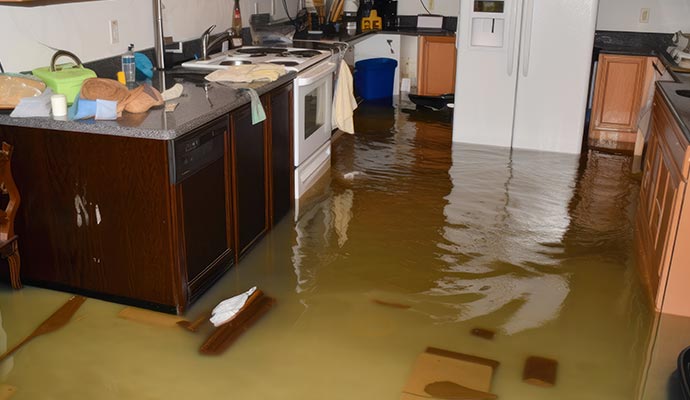
- Severe damage is a different story. If your home or business has standing water, mold, or significant structural issues, you can expect to wait several weeks to a few months before everything returns to normal.
Keep in mind that these timelines cover the entire process: water removal, drying, cleaning, and repairs.
Factors That Influence Restoration Timelines
No two water damage situations are alike. Understanding the different factors that impact water damage restoration can help you go into the process with realistic expectations.
Type of Water Involved
The source of water greatly affects timelines.
- Clean water (Category 1) – Minimal contamination means faster drying and simpler cleanup.
- Gray water (Category 2) – Comes from appliances or sinks, requiring more cleaning and disinfection.
- Black water (Category 3) – Sewage or floodwater demands the strictest safety protocols and decontamination.1
If Category 1 or 2 water is left standing for more than 48 hours or comes into contact with dirty surfaces, drywall, or insulation, it can be reclassified as Category 3 due to bacterial growth and contamination risk.
Extent and Severity of Damage
Ultimately, the larger the affected area, the longer the process will take.
Deep water saturation in walls or insulation slows progress. Hidden pockets of mold can also cause delays if they’re discovered during mid-restoration, which may require mold remediation services.
Materials Affected
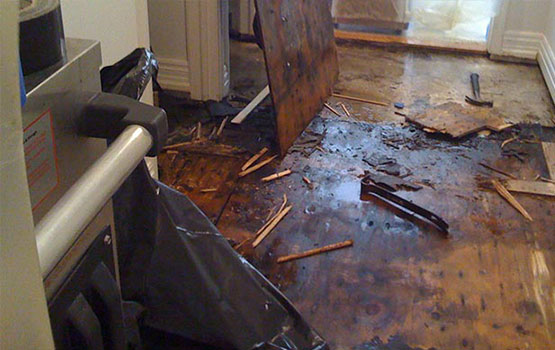
Some materials dry quickly; others don’t. Carpet, drywall, and insulation are typically replaced or dried within days, while hardwood floors, subflooring, and structural framing take longer.
Drying Requirements
Temperature and humidity in the space influence how long drying takes.
Industrial fans, dehumidifiers, and other equipment accelerate the drying process, but even under ideal conditions, wood and other porous materials require time.2
Repair and Reconstruction Needs
If damage is minimal, repairs (like trim or drywall replacement) are often completed quickly. Severe cases involving electrical rewiring, structural rebuilds, or mold can stretch timelines by weeks or months.3
In short, water removal is only the beginning. The combination of all these factors determines whether you’re back to normal in days or facing a months-long project.
Steps in the Timeline
Water damage restoration follows a clear sequence. Here’s what to expect at each stage, along with actions you can take to speed things up.
Emergency Response (Hours)
Frontier’s team is available 24/7 to stop active leaks and begin extraction. Technicians will assess risk and stabilize the property as quickly as possible.
What to do: Turn off the main water supply (if safe). Only unplug electronics if the power is off or it’s safe to do so, as unplugging devices around standing water can be dangerous. Move valuables out of harm’s way before help arrives.
Water Removal (1–3 Days)
Crews pump out standing water and remove soaked materials, such as carpets or insulation. Drying equipment is set up immediately.
What to do: Stay clear of work areas. Document all damage for insurance.
Drying and Dehumidification (3–7 Days Longer)
Air movers, dehumidifiers, and moisture meters run continuously to pull moisture from the property.
What to do: Avoid turning off equipment, even at night. Keep windows and doors closed to maintain controlled conditions.
Cleaning and Sanitizing (1–3 Days)
All affected areas are disinfected and deodorized. Salvageable contents are cleaned either on-site or taken away.
What to do: Separate items you want restored from those you plan to discard to save time.
Repairs and Restoration (Varies Widely)
Once moisture levels are confirmed to be safe, repairs begin, ranging from drywall patches to major reconstruction.
What to do: Approve repair estimates quickly and select materials promptly.
How to Keep the Process Moving Faster
The following actions help crews work faster and can get you back to normal sooner.
- Calling for professional help immediately – Moisture seeps deeper into walls and furniture every hour it’s left untreated. Acting quickly can shave days (or even weeks) off your restoration timeline. Always choose a licensed, insured restoration company with strong customer reviews to ensure safe and effective service.
- Working with your insurance provider – Insurance approvals are one of the biggest bottlenecks in restoration. Document everything to make the claims process smoother, and keep communicating with your adjuster.
- Choosing a company with in-house repair capabilities – Many restoration companies handle only cleanup, outsourcing reconstruction to subcontractors. By selecting a provider with both mitigation and repair teams under one roof, you cut out intermediaries, keeping everything on a single schedule.
Stop Water Damage in Its Tracks with Frontier Services Group
At Frontier, we’ve over a decade helping homeowners and business owners across Greater Houston recover from the unexpected. We’re your 24/7 emergency response team, ready to stop damage in its tracks and start recovery right away.
We know the stress that comes with water damage, and our goal is to make the process as smooth as possible. From the first emergency call to the final repairs, you’ll have a team of specialists working to get your life back to normal faster.
Water damage won’t wait, and neither should you. Contact us today to schedule immediate service or request a restoration plan tailored to your needs.
Sources:
- ResearchGate. Energy efficient water damage restoration by insulated wall drying panels. https://www.researchgate.net/publication/351554263_Energy_efficient_water_damage_restoration_by_insulated_wall_drying_panels
- United States Environmental Protection Agency. Moisture Control Guidance for Building Design, Construction and Maintenance. https://www.epa.gov/sites/default/files/2014-08/documents/moisture-control.pdf
- National Institutes of Health. Moisture and Mold Remediation Standard Operating Procedures. https://ors.od.nih.gov/sr/dohs/Documents/moisture-and-mold-remediation-sop.pdf