A Complete Insurance Guide to Mold Remediation

Dealing with a mold problem is already unpleasant, but undergoing the process of remediation can make it even more stressful. Property owners might wonder, “Is mold removal covered by insurance?”
Professional mold remediation services can be covered by insurance, but coverage largely hinges on how the outbreak originated, your policy, and how quickly you handle the situation. Knowing what to expect from your insurer—and how to handle possible denials during the claims process—can help you navigate remediation as efficiently and cost-effectively as possible.
When Mold Remediation May Be Covered by Insurance
Standard homeowners or business property insurance does cover mold remediation under specific conditions. Namely, when it’s caused by a covered peril, which refers to a sudden, accidental event like water damage from an appliance malfunction.
A covered peril might look like:
- A sudden pipe burst in the home, which causes flooding behind a wall and leads to mold growth. If you report the issue quickly, insurance may cover remediation due to its original cause (a pipe bursting).
- A small fire, where firefighters use water to suppress the fire, leaving behind water damage that can then lead to mold. In this case, the fire would constitute a “covered peril,” meaning insurance might cover your mold remediation expenses.
These are circumstances where it’s possible to seek coverage, but proper documentation and fast action are crucial for securing it. Delaying reporting or failing to fix the source of the moisture can lead to insurance complications or coverage denial.
When Mold Remediation Usually Isn’t Covered
Unfortunately, in many cases, insurance won’t cover mold remediation if the source of the issue is chronic or handled poorly. Common exclusions include:
- Long-term moisture – Insurance will usually decline coverage when the mold problem is considered a maintenance issue. This could include a slow leak or humidity buildup that’s been ignored for months. In these cases, mold growth hasn’t been caused by a covered peril.
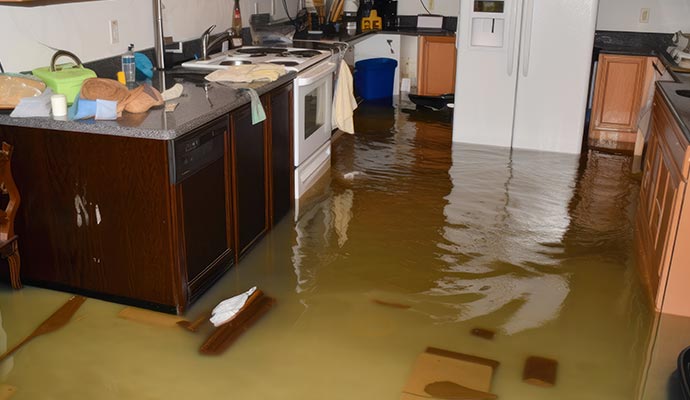
- Flood water-related growth – Unless you have flood insurance, standard homeowners insurance usually excludes flooding. Mold growth due to flooding usually isn’t covered as a result.
- Failure to address the issue quickly – If you notice a leak or dampness and put off reporting it—then notice mold growth as a result—your insurer may deny your claim because the damage was considered avoidable.
If you live in a particularly high-humidity region, like Houston, it’s important to check your policy closely. Many policies in these areas don’t cover remediation, or some policies limit how much they’ll contribute.
How to File a Successful Mold Remediation Claim
Filing a claim for mold remediation requires fast action and attention to detail. For a better chance of approval, follow these steps:
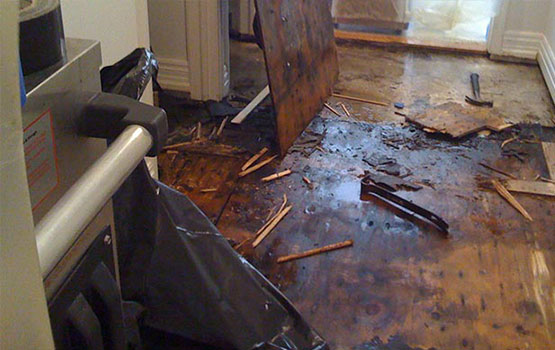
- Document the water event and mold – Right after a leak, it’s important to immediately take photos of any water intrusion as well as visible growth, discoloration, or structural damage. At this point, it’s best to reach out to a professional property restoration and remediation company to make an assessment or remediation proposal.
- Report the claim promptly – Reach out to your insurance provider as soon as the incident occurs. Verbally link the mold growth to the covered peril (e.g,. a burst pipe), providing timelines to prove that the event was accidental and sudden.
- Hire a certified remediation professional – If you haven’t already, reach out to a licensed remediation professional to inspect, evaluate, and provide a reliable report on the mold contamination. Be sure to keep a record of their remediation plan and any work or repairs they complete. Professional intervention will help strengthen your insurance case, showing that you took the issue seriously.
Throughout this process, it’s crucial to maintain records of repair and gather any documentation of maintenance you’ve done in the past to demonstrate that the damages were not due to negligence. The sooner you act, the less time you’ll give mold to spread—and the more likely you are to get coverage.
Understanding Coverage Limits and Additional Options
Even when insurance companies pledge to cover remediation, there are several important caveats to be aware of:
- Coverage limits – Many companies agree to cover mold remediation to a point. It is important to read the individual policy. Many policies have sub-limits — so even if mold is covered, remediation costs may still exceed what insurance pays.
- Mold riders or endorsements – Some policies permit holders to buy a mold coverage endorsement or rider, which can bump up limits or expressly cover mold.
- Separate flood insurance – If your property is in a zone that’s prone to flooding, your homeowners insurance may not cover flood-related mold damage. In these cases, it’s often best to seek out flood insurance instead.
- Policy renewal review – Every time your insurance renews, it’s important to check your policy’s “covered perils” for any new exclusions or changes to identified risks (e.g. history of water events).
Knowing these insurance details ahead of time can help you understand how much coverage to expect now and how to handle claims if you need to make one later.
What to Know Before You Assume Coverage
Securing coverage for mold remediation can be tricky. When talking to an agent or representative, you can gain clarity—and possibly enhance your chances of coverage—by asking the following questions:
- “Does my policy cover mold if it resulted from a burst pipe or appliance malfunction?”
- “Are there specific limits or caps for mold-related damage? If so, what are they?”
- “Does coverage extend to hidden mold, or only visible growth?”
- “Is flood or water backup coverage built into my policy, or do I need a separate one?”
- “What steps am I required to take after discovering mold to stay eligible for coverage?”
Clarify Your Remediation Process with Frontier Services Group
While sudden, unplanned events may prompt insurance to cover mold remediation, it’s unlikely you’ll get coverage when mold growth results from gradual or preventable issues. That said, acting with agility, documenting your case thoroughly, and reading the fine print of your policy can help you prepare for any disputes ahead of time.
That’s where Frontier Services Group can help.
Frontier Services Group provides mold remediation, moisture control, and restoration services around the Houston area while helping homeowners navigate the insurance claim process with confidence. For an expert’s guidance and remediation support, reach out to Frontier Services Group today.
Sources:
- Nerd Wallet. Does Homeowners Insurance Cover Mold? https://www.nerdwallet.com/article/insurance/does-homeowners-insurance-cover-mold
- Ken Paxton, Attorney General of Texas. Mold Remediation. https://www.texasattorneygeneral.gov/consumer-protection/home-real-estate-and-travel/mold-remediation
- Plymouth Rock. Does home insurance cover mold? https://www.plymouthrock.com/resources/does-home-insurance-cover-mold?
- Insurance. Mold insurance coverage: How does it work? https://www.insurance.com/homeowners-insurance-endorsements/mold-insurance-coverage
- Bankrate. When does homeowners insurance cover mold? https://www.bankrate.com/insurance/homeowners-insurance/does-homeowners-insurance-cover-mold/?