What is Mold Remediation and How Does it Work?
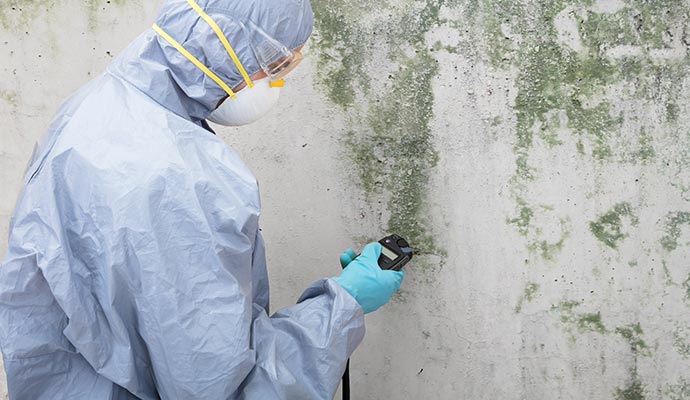
Mold is unsightly, and it’s much more than just an aesthetic or hygienic issue. Mold outbreaks can compromise building architecture, impact indoor air quality, and pose significant health risks to those exposed.
Mold remediation is the process of identifying, containing, and safely removing mold, addressing the root issue that caused it to grow in the first place. Professional mold remediation teams follow a structured, safety-first approach intended to protect both your property and your health.
If mold continues to grow unchecked, it can spread rapidly, with damage worsening over time. Knowing what the remediation process entails can help you choose the right remediation partner to ensure the job’s done right.
What is Mold Remediation?
Mold remediation is the comprehensive process of removing mold contamination and restoring healthy indoor air quality. It involves:
- Identifying the root cause of the mold
- Safely removing materials affected by it
- Preventing regrowth by eliminating excess moisture
Many home and business owners use “mold removal” and “remediation” interchangeably, but professionals make an important distinction. Remediation not only removes visible mold but also corrects the environmental conditions (like leaks or humidity) that encouraged it to grow in the first place.
Why Mold Remediation Matters
Addressing only surface-level mold growth without fixing the root cause will almost certainly lead to regrowth. And mold isn’t just unpleasant to look at—it can seriously impact both property and human health:
- Structural damage – Mold thrives in organic materials like wood, drywall, and insulation. Over time, it can weaken walls, ceilings, and floors, forcing business owners and homeowners to make expensive repairs to reverse the damage.
- Health risks – Mold exposure, when prolonged, can lead to a variety of symptoms ranging in severity. Some of the most common are allergic (e.g. nasal congestion, itchy eyes, skin rashes) and respiratory (wheezing, coughing, difficulty breathing). These symptoms tend to be especially severe in people who are sensitive to allergens. If mold exposure continues, it can worsen preexisting respiratory conditions or cause discomfort in otherwise healthy people.
Under the right conditions, mold spores can begin spreading within 24 to 48 hours after being exposed to moisture. The longer mold growth is left untreated, the more extensive and expensive remediation can become.
However, professional mold remediation services are essential. It protects indoor air quality, restores property integrity, and helps prevent a recurring outbreak, ensuring your environment is (and remains) clean and safe.
The Mold Remediation Process, Step-by-Step
Every reputable mold remediation service follows a systematic process to ensure lasting protection. Here’s what to expect when you contact a skilled, full-service restoration company.
#1 Inspection and Assessment
The first step is to conduct a comprehensive inspection. Trained professionals use specialized tools like moisture meters and thermo-hygrometers (which measure humidity and temperature) to locate hidden moisture sources.
Ultimately, this stage addresses:
- The type of mold present (and whether you need further mold testing)
- The extent or severity of contamination
- The underlying moisture source, like plumbing leaks or condensation
Based on these findings, a contractor will develop a remediation plan. This will designate required safety precautions, containment setup, and cleaning methods.
#2 Containment and Safety Setup
Mold spores can spread extremely easily and quickly, so the next step is to prevent cross-contamination.
A mold professional will isolate the affected area using physical barriers like plastic sheeting. They may also set up negative air pressure to dispel spores, using tools like AFDs (air filtration devices) such as air scrubbers or HEPA vacuums.
While they work, technicians will wear personal protective equipment that may include respirators, gloves, or full-body suits to protect themselves and prevent spore transfer. These measures help ensure mold spores cannot enter clean sections of the home or business, adhering to IICRC standards and EPA guidelines for containment.
#3 Air Filtration
Once containment is in place, technicians will set up HEPA air filtration systems to capture airborne spores and other particles. Continuous filtration helps to:
- Maintain clean air during the remediation process
- Prevent spores from migrating
- Speed up the restoration of indoor air quality
This step is particularly critical for larger or high-traffic zones, as even minimal air disturbance can encourage spores to further infiltrate the surrounding environment.
#4 Mold Removal and Cleaning
With containment and air purification underway, technicians begin the mold removal process. Different structural materials require different cleaning methods:
- Porous materials – Drywall, carpeting, insulation, and other breathable materials are easily penetrated by mold. These are typically removed from the area and replaced.
- Non-porous materials – Glass, metal, and tile don’t necessarily need to be removed. These are more easily cleaned, disinfected, and restored.
Specialized antimicrobial and antifungal treatments are applied to exterminate remaining spores and discourage regrowth. This phase may also include vacuuming with HEPA filters, some of which are capable of removing approximately 99.97% of residual mold particles.
#5 Drying and Dehumidification
After removal and cleaning, it’s time to dry and dehumidify the affected area. Mold thrives in damp, muggy environments, so this stage is decisive for long-term prevention.
Technicians use industrial-grade air movers and dehumidifiers to reduce humidity to safer levels, typically between 30 and 50% relative humidity. Technicians will also use moisture and humidity meters regularly to confirm that affected areas are sufficiently dry.
#6 Repairs and Restoration
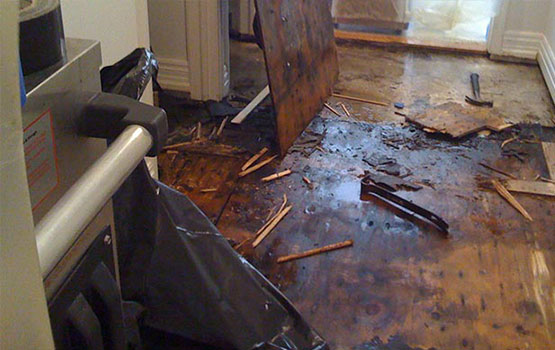
Once the area is clean and dry, any removed or damaged materials need to be replaced or repaired. Depending on the extent of contamination, this could involve:
- Replacing sections of drywall, insulation, or flooring
- Reconstructing segments of impacted rooms
- Painting or refinishing surfaces
Professional remediation ensures the area is not just clean and mold-free, but structurally sound and restored to its original condition (or better). This is why it’s so crucial to partner with a full-service team that can address both mold contamination and the reconstruction/restoration work.
How Long Does Mold Remediation Take?
The duration of mold remediation varies based on the size of the affected area, contamination level, and location/accessibility of damage. As a general guideline:
- Small areas take approximately 1 to 2 days
- Medium infestations take approximately 3 to 5 days
- Large or structural cases take approximately 1 to 2 weeks or more
The needs of the drying and dehumidification stages can extend these timelines, as professionals must ensure moisture has been completely eradicated before restoration work starts. In mold remediation, quality matters more than speed, as rushing the process increases the chances of recurring contamination.
Common Causes of Mold Growth
Mold thrives in damp, dark, poorly ventilated environments. Common causes of growth include:
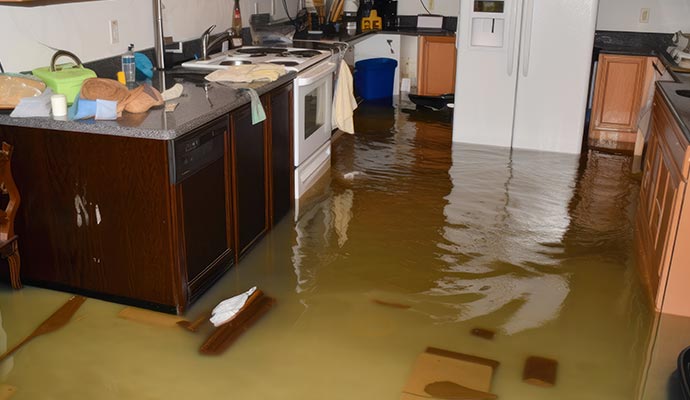
- Water intrusion and leaks – Plumbing leaks, roof damage, and flooding are among the leading contributors to mold growth.
- Poor ventilation – Kitchens, bathrooms, and attics with inadequate airflow can trap moisture and elevate humidity, leading to buildup.
- Condensation and humidity – Spaces like basements and crawl spaces are vulnerable to higher humidity levels, especially in humid climates closer to the equator.
Even small water events, like an unnoticed leak under a sink, can create ideal conditions for mold to thrive. Identifying the cause early helps prevent costly repairs down the line.
Preventing Mold Growth After Remediation
The most effective way to prevent mold after remediation is to control moisture and maintain efficient ventilation. Home and business owners can do this by:
- Identifying and controlling moisture sources – Inspect plumbing, roofing, and HVAC systems regularly to screen for leaks and excess condensation.
- Improving ventilation systems – Use exhaust fans in bathrooms and kitchens, install dehumidifiers in basements, and aim to keep indoor humidity between 30 and 50%.
- Getting regular inspections – Schedule professional assessments, especially after storms, leaks, or flooding. This way, you’ll catch potential problems early.
Professional Mold Remediation vs. DIY
While small mold spots on tile, washing machines, or shower grout can often be cleaned safely without professional help, significant contamination requires professional remediation.
Attempting a DIY cleanup without proper containment or protective equipment can lead to spores spreading throughout a property, leading to problems in new areas. Moreover, incomplete or inadequate removal elevates the risk of mold regrowth, raising potential health problems later.
Hiring licensed, insured professionals like the team at Frontier Services Group ensures the remediation process complies with EPA and IICRC (Institute of Inspection, Cleaning and Restoration Certification) standards, aided by top-tier equipment to properly clean, dry, and restore affected areas. If you’re looking to restore and protect your home or business, professional remediation provides peace of mind that the job will be done thoroughly and safely.
Let Frontier Handle Your Mold Remediation Needs
Put simply, mold remediation is a structured, multi-tiered process designed to restore your quality of life indoors and prevent future outbreaks. Responding quickly to mold growth by hiring a professional mold remediation team is one of the best things you can do for your property, as well as your health.
Frontier Services Group provides certified mold remediation, moisture control, and restoration solutions to protect homes and businesses in the Houston area from current and recurrent mold problems. Our team is trained to target mold at the source and design a specified plan for immediate recovery and long-term prevention.
If you’ve discovered mold or suspect an issue on your property, reach out to a Frontier team member today to schedule your assessment and protect your peace of mind.
Sources:
- Institute for Environmental Research and Education. What is Mold Remediation? https://iere.org/what-is-mold-remediation/
- Healthline. How Long Does It Take for Mold to Affect Your Health? https://www.healthline.com/health/how-long-does-it-take-to-get-sick-from-mold-exposure#short-term-exposure-symptoms
- Institute for Environmental Research and Education. How Fast Can Mold Spread? https://iere.org/how-fast-can-mold-spread/
- International Journal of Environmental Research and Public Health. Structural Home Defects Are the Leading Cause of Mold in Buildings: The Housing and Health Service Experience. https://pmc.ncbi.nlm.nih.gov/articles/PMC9779167/
- The Spruce. Mold Remediation and Removal: Cost, Process, and More. https://www.thespruce.com/is-mold-remediation-worth-it-1822834
- Environmental Protection Agency. Mold Course Chapter 6: Containment and Personal Protective Equipment (PPE). https://www.epa.gov/mold/mold-course-chapter-6
- Environmental Protection Agency. What is a HEPA filter? https://www.epa.gov/indoor-air-quality-iaq/what-hepa-filter
- Bye Humidity. At What Humidity Does Mold Grow? Learn How to Prevent It. https://byehumidity.com/at-what-humidity-does-mold-grow
- International Journal of Environmental Research and Public Health. Structural Home Defects Are the Leading Cause of Mold in Buildings: The Housing and Health Service Experience. https://pmc.ncbi.nlm.nih.gov/articles/PMC9779167/