Mold Detection & Assessment
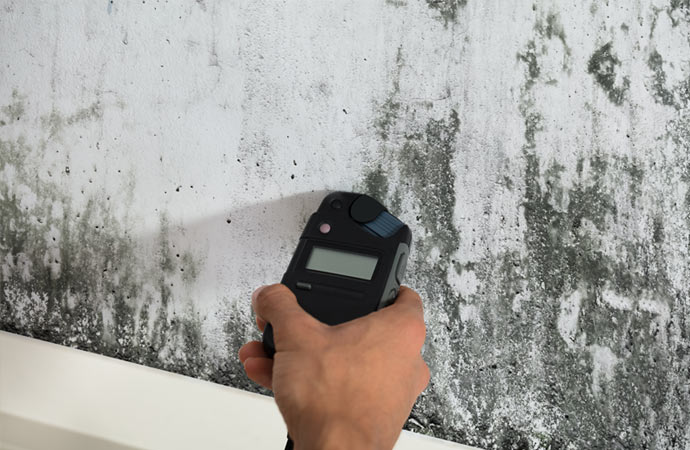
Mold can grow in hidden areas long before it becomes visible, posing risks to both your property and health. Frontier Services Group provides fast, professional mold detection to locate visible and hidden mold sources using advanced tools and certified inspection methods. Our goal is to identify contamination early and ensure a safe, mold-free environment for your home or business.
Accurate Mold Detection for Homes & Businesses
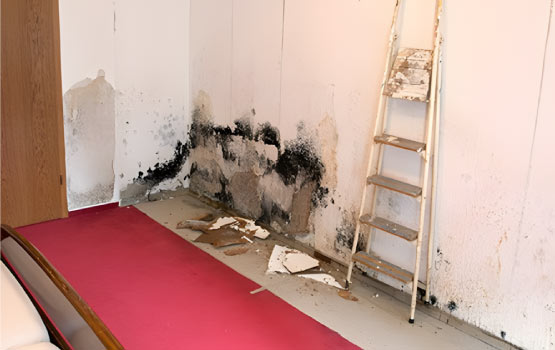
Even small leaks or humidity issues can lead to mold growth behind walls, under floors, or inside HVAC systems. Frontier’s IICRC-certified specialists use industry-grade equipment to detect moisture and airborne spores before mold spreads. Early detection allows for targeted remediation, preventing costly damage and health risks.
We offer these services:
- Comprehensive property inspection & air testing
- Hidden moisture & humidity detection
- Surface & air sample collection
- Visual assessment & documentation
- Remediation recommendations & prevention planning

When to Schedule Mold Detection
You may need mold detection if you notice musty odors, persistent allergies, or unexplained headaches—even if no visible mold appears. Mold often hides behind drywall, wallpaper, and insulation. Frontier’s experts locate hidden colonies before they spread, helping you prevent structural damage and protect indoor air quality.
Our Process
Our Process
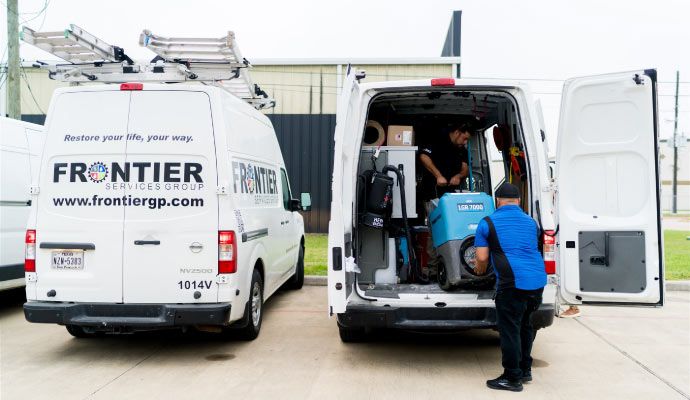
We begin with a detailed walkthrough to identify potential mold-prone areas.
Using infrared cameras and moisture meters, we detect hidden dampness behind surfaces.
We collect samples for third-party laboratory analysis to identify mold types and concentrations.
A full report outlines findings, contamination levels, and remediation recommendations.
Based on results, we design a tailored remediation and prevention plan for long-term safety.
FAQs
Frequently Asked Questions (FAQs)
-
Anytime the moisture levels in your home are at 60% or higher, mold can grow. What’s frustrating for many property owners is that they don’t see a puddle on the floor or water dripping from the ceiling. When mold grows, the source of the moisture is usually hidden under floorboards or behind walls.
-
It could be. Because mold spores are microscopic and airborne, you’ll end up breathing them into your lungs. Depending on the type of mold and how well your immune system functions, you may develop some serious health symptoms that could end up being the result of mold. That’s why a mold remediation company takes mold removal so seriously. The space affected by mold is isolated and contained during cleaning so the spores won’t spread to other areas of the house, and the remediation team stays suited up in Personal Protective Equipment (PPE) during the process.
-
For the majority of surfaces in your home, bleach won’t actually get rid of your mold problem. It’s the “iceberg effect.” Visible mold is usually a small percentage of the actual amount of mold growth. Bleach can’t kill mold on porous surfaces like wood, and while tile or fiberglass surfaces can be cleaned with bleach, often the mold has spread far deeper. The reason why mold remediation companies don’t recommend DIY cleanup isn’t because they want to make more money; they know, in their experience, that a mold problem is usually far more invasive than can be seen with the naked eye. Simply cleaning the surfaces can provide false assurances that you got rid of the mold, only to have it come back time and time again.
-
Sometimes mold remediation is included if the cause of the mold was a “covered peril” like a burst hot water heater or water damage caused by firefighters extinguishing a fire in your house. Gradual water damage – like from a leaking pipe or hose – will often cause mold growth, but your insurance coverage will usually not cover that by claiming that it was caused by poor maintenance or neglect. If your insurance company denies your claim, you should request an inspection from a mold remediation company who can help you document the source of the mold.
-
If the inspection/assessment process was able to pinpoint the source and cause of the mold growth, once that source is repaired, you can be relatively confident about the success of remediation. Ask if your restoration technician has the IICRC certification for “Applied Microbial Remediation.” You can also request a “post remediation mold clearance” from a third-party mold inspector to re-test the area for any remaining traces of mold before the area is treated with a sealer or encapsulant to resist future mold growth.