Nearest Location Nearest Location National Call Center (800) 858-1701

Author: Frontier Services Group

Trusted Commercial Water Damage Restoration | Frontier Services Group

Protecting Your Business from Water Damage
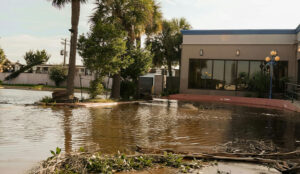
As storm season intensifies, commercial properties across Texas face higher risks of water intrusion. Frontier Services Group specializes in commercial water damage restoration, helping businesses recover swiftly and reduce downtime.

In this article, we’ll explain the real risks of commercial water damage, the steps of professional restoration, and how to choose a trusted company. Whether from flooding, pipe bursts, or roof leaks—fast response is critical.

What Happens When Water Damage Hits Your Business?

Water damage can bring operations to a standstill. Here are just a few of the consequences:

  • Structural Deterioration: Water weakens walls, ceilings, and foundations if left unchecked.
  • Mold and Mildew: Excess moisture leads to rapid mold growth, threatening health and safety.
  • Lost Productivity: Damaged workspaces mean employees can’t perform tasks normally.
  • Expensive Repairs: Delayed action often results in more costly restoration and insurance issues.


Our Expert Water Damage Restoration Process

Frontier Services Group follows a proven, efficient approach:

  • Rapid Response: Available 24/7, our team arrives quickly to assess the damage.
  • Water Extraction: Industrial vacuums and pumps remove standing water fast.
  • Drying & Dehumidifying: We deploy advanced drying systems to prevent mold.
  • Cleaning & Sanitizing: All surfaces are disinfected to protect your staff and visitors.
  • Full Restoration: We restore your space to pre-damage condition—better than ever.

Why Texas Businesses Trust Frontier Services Group

For over a decade, we’ve helped businesses across Houston, Lafayette, Lake Charles, and nearby areas recover from disaster. Here’s what sets us apart:

Certified Restoration Technicians

Our IICRC-certified team uses the latest technology and methods to restore properties with precision.

Insurance Assistance

We assist with insurance documentation and work directly with adjusters to streamline the claims process.

Quick Turnaround Time

With 24/7 availability and rapid dispatch, we minimize disruption and downtime.

High Customer Satisfaction

Rated highly by real clients—businesses choose us for our commitment to reliability and quality.

Let Us Help Restore Your Business

Whether your facility suffered from a flood, plumbing failure, or roof leak—Frontier Services Group is ready to help with water damage restoration in Texas. Our team combines speed, skill, and care to restore your commercial space and peace of mind.

Ready to get started? Call us 24/7 or contact us online to schedule service.

Texas Insurance Claims Guide for Property Damage

After the Storm: Navigating Insurance Claims for Property Damage in Texas

Spring storms in Texas can be sudden, severe, and financially devastating. From hail and wind damage to flooding and roof leaks, homeowners are often left scrambling to navigate complex insurance claims processes.

At Frontier Services Group, we understand how overwhelming this can be—and we’re here to help. In this guide, we’ll walk you through how to protect your rights, document storm damage correctly, and work toward getting the full compensation you’re owed.

Why Timely Action Matters

The Texas Prompt Payment of Claims Act holds insurance companies accountable by requiring them to process claims within specific deadlines:

  • Insurers must acknowledge your claim within 15 calendar days.
  • After receiving all necessary documentation, they must approve or deny the claim within 15 business days.

These legal requirements are designed to prevent unreasonable delays and ensure policyholders aren’t left in limbo after a storm. Filing promptly and keeping detailed records can help you stay within your rights and avoid claim denials.

4 Critical Steps After a Texas Storm

1. Document Everything (With Visual Proof)

  • Take photos and videos immediately, before cleanup begins. Use your phone’s timestamp feature.
  • List affected items (e.g., roof, walls, flooring, furniture, outdoor structures) for your claim.
  • Save receipts for emergency repairs or temporary lodging.

Pro Tip: Label your photos and back them up to a cloud drive to avoid data loss.

2. Review Your Homeowners Insurance Policy

  • Flood damage typically requires a separate policy.
  • Wind, hail, and fallen trees are usually included in standard homeowners policies.

Locate your deductible and review your Additional Living Expenses (ALE) coverage, which pays for hotel stays or rentals if your home is uninhabitable.

3. File Your Claim Promptly

Delaying your claim can jeopardize your rights. File as soon as it’s safe to do so and keep copies of:

  • All correspondence with your insurer
  • Your claim number and assigned adjuster info
  • Photos, videos, and repair estimates

4. Work With Restoration and Inspection Professionals

Partnering with professionals like Frontier Services Group can make or break your claim. We provide:

  • Comprehensive storm damage assessments
  • Moisture mapping and structural evaluations
  • Expert reports that support insurance negotiations

These services often help homeowners receive higher payouts and avoid disputes with insurance companies.

Avoid Common Mistakes With Storm Damage Claims

  • ❌ Don’t throw away damaged items before documenting them
  • ❌ Don’t accept a lowball settlement without expert review
  • ❌ Don’t sign insurance paperwork you don’t understand—ask questions or get help

Need Help After the Storm?

At Frontier Services Group, we specialize in storm damage inspections across Texas—from Dallas-Fort Worth to Houston and Austin. We work directly with your insurance provider to ensure your claim is supported by professional, unbiased documentation.

📞 Call us at (713) 937-8700 or contact us online to schedule your FREE storm damage inspection.

Frequently Asked Questions

What should I do first after storm damage in Texas?

Start by taking photos/videos of the damage, securing your home from further harm, and contacting your insurance company.

Does homeowners insurance cover wind and hail damage in Texas?

Yes, most standard policies cover wind and hail damage. Flood damage, however, typically requires a separate policy.

How long do I have to file a claim in Texas?

Each policy varies, but Texas law enforces prompt timelines on insurance providers. File your claim as soon as possible to avoid issues.

What Makes Asbestos Dangerous?

Is it possible to remove asbestos on your own – and what are the risks of doing so?

We are all likely aware of asbestos to some degree. And we may know to stay away from it. But it’s understandable to not know much beyond that.

From the mid-1800s to the 1970s, asbestos was added to thousands of products to enhance desirable properties like strength, durability, insulation, and resistance to fire and corrosion. While asbestos is a naturally occurring mineral, it is still a carcinogen. That means that long-term exposure is likely to cause cancer.

Asbestos was banned in 1989 by the Environmental Protection Agency from being added to new products. However, asbestos still remains in the insulation, flooring, adhesive, and tiles of many properties constructed before the 70s and 80s. Finding asbestos in your property is a pesky and startling discovery, but being properly informed will help you take confident action.

At Frontier Services Group, we provide our clients with more than just top-notch asbestos removal services. Our specialists have answered some of the most common questions about this mineral and explained why you should always leave asbestos abatement to the professionals.

What Is Asbestos?

Asbestos is a naturally occurring mineral that has been used to strengthen manmade products as far back as 4,000 years ago. In North America, asbestos use in commercial manufacturing ramped up significantly around the 1860s. It was commonly added to building materials, flame-resistant materials, gaskets, adhesives, tiles, coating, insulation, and more.

Asbestos can be identified in building materials by its fibrous, soft texture and flexibility. However, you should not investigate the suspect material on your own. We strongly advise you to not disturb the material in any way and to always wear a respirator if you must be near it. Disturbing asbestos will release microscopic fibers into the air – which irritate the lining of the lungs and cause chronic health conditions.

Why Is Asbestos So Dangerous?

As we’ve already covered, asbestos is a cancer-causing carcinogen. Long-term exposure can also lead to a wide variety of noncancerous but debilitating health conditions.

It is important to note that the presence of asbestos alone is not hazardous, but asbestos fibers are. These fibers are released into the air when asbestos material is handled or disturbed in any way. Asbestos fibers were conclusively linked to chronic health conditions in the 1960s.

There are several forms of cancer and other serious illnesses we know can be attributed to long-term asbestos exposure, including:

  • Mesothelioma – This is an aggressive type of cancer caused specifically by long-term asbestos fiber inhalation. It can take many years for symptoms to appear after the tumors have developed, which makes mesothelioma a particularly dire diagnosis.
  • Asbestosis – Heavy asbestos fiber inhalation will scar the lining of the lungs and potentially result in this chronic lung condition, which is characterized by difficulty breathing, coughing, loss of appetite, and swelling of fingers and toes.
  • Other Forms of Cancer – Ovarian cancer and laryngeal cancer are two other common forms of cancer that result from long-term asbestos exposure.

Can I Remove Asbestos On My Own?

There are no federal regulations prohibiting you from removing asbestos on your own. However, it’s not a good idea.

The money you will save by doing it yourself isn’t worth the risk to your wellbeing and the health of all the property’s regular occupants. And, in some communities, it may not be legal. Generally, asbestos removal in a commercial property must be done by an abatement professional. The rules for residential properties tend to be determined by counties, towns, and cities.

If you want to pursue removing asbestos yourself, you should always consult your local health department and building department about the necessary permits. While asbestos testing kits are available, we recommend hiring a laboratory to conduct tests on any suspect material. You should also thoroughly research how to safely and legally dispose of the asbestos once you remove it. Materials with as little as 1% asbestos cannot be left on the curb with regular trash.

When you hire a reputable company like Frontier Services Group, your contractors will handle everything from acquiring demolition permits to testing and safe removal. Abatement professionals will also ensure that the work area is properly prepared by sealing off all air ducts, HVAC units, and entry ways. Professionals will also provide a thorough final cleaning with specialized equipment.

Don’t Put Yourself In Danger – Get In Touch With Our Professionals Today!

If you think that asbestos is present in any area of your property, we encourage you to get in touch with the restoration company at Frontier Services Group today. Since 2010, we have been providing prompt, compassionate, and knowledgeable home restoration services that clients can count on after disastrous events like floods and fires.

Homeowners and commercial property owners throughout Texas can also turn to us for top-notch asbestos removal services and asbestos abatement. Asbestos is a tough thing to tackle on your own. Our crew is standing by to make sure you don’t have to. Call or contact us today to get in touch with a qualified specialist and start the abatement process.

Frontier Services Group is always on standby, Call at 346-553-9929 or simply click here to make an appointment today!.

Documenting Fire Damage for Insurance Claims: Tips and Best Practices

Documenting Fire Damage for Insurance Claims: Tips and Best Practices

Dealing with the aftermath of a fire is a challenging and emotionally draining experience. Amidst the chaos, one crucial aspect that demands immediate attention is the documentation of fire damage for insurance claims. Adequate documentation not only expedites the claims process but also ensures that policyholders receive fair compensation for their losses. In this blog post, we will delve into tips and best practices for effectively documenting fire damage for insurance claims.

  1. Prioritize Safety First:
    Before diving into the documentation process, prioritize safety. Ensure that the property is safe to enter and move around. Only proceed if you have received clearance from the fire department or relevant authorities. Wear protective gear such as gloves and a mask to minimize exposure to potential hazards like soot, smoke residue, or weakened structures.
  2. Contact Your Insurance Company Immediately:
    Time is of the essence when it comes to insurance claims. As soon as the fire is extinguished and you’ve ensured your safety, contact your insurance company to report the incident. Prompt reporting helps initiate the claims process swiftly, allowing for a faster resolution. Be ready to provide basic information such as your policy number, the date and time of the incident, and a brief description of the damage.
  3. Take Overview Photographs:
    Begin the documentation process by taking comprehensive photographs of the entire property. These overview shots provide a contextual understanding of the extent of the damage. Capture images from multiple angles, both inside and outside the premises. This will serve as a visual baseline for assessing the impact of the fire.
  4. Document Structural Damage:
    Detail any structural damage caused by the fire. This includes collapsed ceilings, damaged walls, and compromised foundations. Pay close attention to structural elements that may not be immediately visible but could pose risks, such as weakened support beams or charred load-bearing walls. Documenting structural damage is crucial for both safety assessments and accurate claims evaluation.
  5. Capture Individual Items and Belongings:
    Move through each room systematically, documenting the damage to individual items and belongings. Focus on high-value items, sentimental possessions, and crucial documents. For each item, take photographs from different angles, noting any visible damage or signs of exposure to fire, smoke, or water used in firefighting efforts.
  6. Note Pre-existing Conditions:
    While documenting, make note of any pre-existing conditions or damage that existed before the fire. This information is vital for establishing a baseline and ensuring that you receive compensation for the actual loss caused by the fire. It helps prevent disputes over the cause and extent of damage.
  7. Create a Detailed Inventory:
    Compile a detailed inventory of damaged items. Include descriptions, quantities, and, if possible, the original purchase price and date of acquisition. This inventory serves as a valuable tool for both you and the insurance adjuster, streamlining the claims assessment process and minimizing the risk of overlooking items.
  8. Keep Samples of Damaged Items:
    In some cases, it might be beneficial to keep samples of damaged items, especially if the damage is not immediately apparent in photographs. This is particularly relevant for materials like textiles, flooring, or structural components. These samples can serve as tangible evidence during the claims process.
  9. Engage Professionals for Assessment:
    While your initial documentation is crucial, it’s also beneficial to engage professionals for a thorough assessment of the damage. Contractors, appraisers, or restoration experts can provide detailed evaluations, helping you understand the full scope of the restoration needed and ensuring that all damages are accounted for in the insurance claim.
  10. Document the Cleanup Process:
    As part of the documentation process, capture the cleanup and restoration efforts. Take photographs of the removal of debris, damaged materials, and the progression of repairs. This not only provides a record of the restoration process but also serves as evidence of the steps taken to mitigate further damage.
  11. Retain All Relevant Documents:
    Maintain a comprehensive file of all documents related to the fire damage and the subsequent claims process. This includes insurance policies, correspondence with the insurance company, estimates, invoices, receipts, and any other relevant paperwork. Having a well-organized file facilitates a smoother claims process and can be invaluable if disputes arise.
  12. Collaborate with Professionals for Claims Submission:
    When submitting your insurance claim, consider collaborating with professionals who specialize in insurance claims. Public adjusters, for example, are experts in assessing and documenting property damage, and they can advocate on your behalf during the claims process. While they charge a fee, their expertise can potentially maximize your claim settlement.
  13. Be Thorough and Accurate in Descriptions:
    When providing information about the damage, be thorough and accurate in your descriptions. Clearly articulate the extent of the damage, how it occurred, and any relevant circumstances. The more detailed and accurate your documentation, the smoother the claims process is likely to be.
  14. Stay Organized Throughout the Process:
    Maintain organization throughout the entire claims process. Keep all documentation in a secure and easily accessible location. Create digital backups of photographs and important documents to prevent loss in case of damage to physical copies. This level of organization streamlines communication with your insurance company and any professionals involved.
  15. Communicate Regularly with Your Insurance Adjuster:
    Establish open lines of communication with your insurance adjuster. Provide regular updates on the progress of repairs, share any new findings, and promptly respond to requests for additional information. Proactive communication fosters a cooperative relationship and expedites the claims process.

Conclusion: Navigating the Claims Process with Confidence

Documenting fire damage for insurance claims is a critical aspect of the recovery process. By following these tips and best practices, you can navigate the complex claims process with confidence, ensuring that you receive fair compensation for your losses. Remember, thorough documentation not only benefits you but also assists insurance adjusters in accurately assessing the extent of the damage. In times of distress, a well-documented insurance claim can be a beacon of hope, facilitating the restoration of your property and the rebuilding of your life.

Clean, Gray, and Black Water Contamination Damage Featured Image

Clean, Gray, and Black Water Contamination Damage

Everyone knows how serious water damage can be in a home, but did you know where the water comes from is almost as important as how much water is in your home? Clean, gray, and black water contamination can influence just how severe your water damage will be. Learn about the difference between the three types so you are prepared.

Clean Water Contamination

Water damage from a clean water source, such as a broken pipe or overflowing sink, can still cause significant damage to a home or building. The implications of water damage from a clean water source include:

  • Structural damage – even clean water can cause damage to building materials such as drywall, insulation, and flooring. Prolonged exposure to moisture can weaken these materials and lead to structural damage.
  • Mold growth – if the water damage is not addressed promptly, it can create a damp environment that is conducive to mold growth. Mold can cause health problems, especially for people with allergies or respiratory issues.
  • Electrical damage – water can damage electrical systems and create a fire hazard, so it’s important to have a professional inspect any electrical damage.
  • Damage to personal belongings – water damage can ruin personal belongings such as furniture, electronics, and clothing.
  • Increased risk of pests – standing water can attract pests such as mosquitoes, rodents, and insects.

Gray Water Contamination

Water damage from a gray water source, such as a washing machine overflow or dishwasher leak, can pose additional health risks compared to clean water damage. The implications of water damage from a gray water source include:

  • Health hazards – gray water may contain contaminants such as detergents, grease, and bacteria that can be harmful if ingested or come into contact with skin. Exposure to gray water can cause skin irritation, gastrointestinal illness, and respiratory problems.
  • Damage to personal belongings – gray water can ruin personal belongings such as furniture, electronics, and clothing.

Black Water Contamination

Black water damage is the most severe and hazardous type of water damage. It typically occurs as a result of sewage backup, flooding from natural disasters, or other situations where water is contaminated with sewage or other harmful substances. Here are some reasons why having black water damage in your home is bad:

Health hazards – black water contains harmful bacteria, viruses, and other pathogens that can cause serious illness and even death. Exposure to black water can lead to a variety of health problems, including gastrointestinal illness, respiratory infections, skin infections, and more.

  • Mold growth – black water can contain organic matter that can fuel the growth of dangerous molds and other fungi.
  • Foul odors – black water can emit strong, foul odors that can be very unpleasant and difficult to remove.

If you suspect black water damage in your home, it’s important to evacuate the area immediately and contact a professional water damage restoration company for immediate assistance. Black water damage should be handled by professionals with specialized equipment and training to properly clean and disinfect the affected areas and ensure that the environment is safe for habitation.

It’s important to address water damage from any water source as soon as possible to prevent further damage and potential health hazards.

Dangers of Burst Plumbing Pipes From Winter Storms

Dangers of Burst Plumbing Pipes From Winter Storms

Burst plumbing pipes during winter storms are a significant issue, especially in areas like Houston, Texas, where extreme weather may be less expected. Understanding the causes, prevention methods, and consequences of burst pipes can help Frontier Services Group inform its clients effectively through a comprehensive blog.

Causes of Pipe Bursts

Pipes commonly burst in winter due to the freezing water inside them, which causes the water to expand and increase pressure within the pipes. This expansion can lead to the pipe bursting, especially if there are existing weaknesses in the pipe’s structure. Insufficient insulation of pipes, especially those running through unheated areas or close to external walls, exacerbates the problem​​​​.

How to Tell if My Pipes Are Frozen

Identifying frozen pipes is crucial to prevent them from bursting and causing significant damage. Here are key indicators that your pipes might be frozen:

  1. Reduced or No Water Flow: A noticeable decrease in water pressure or no water from your faucet is a common sign. If you turn on a tap and only a trickle comes out or nothing at all, this could indicate that the water in your pipes has frozen​​.
  2. Frost on Pipes: Visible frost accumulating on exposed pipes, such as those under sinks or in basements, clearly indicates freezing. This is more easily spotted on pipes that are exposed and accessible​​.
  3. Unusual Smells: If you detect strange or unpleasant odors from a faucet or drain, it might be because the ice in the pipes is blocking the passage of air and odors. This can cause smells to back up and become noticeable in your home​​
  4. Cold Temperatures: Pipes are more likely to freeze when temperatures are below 32 degrees Fahrenheit. Suppose your home or specific areas (like basements, attics, and garages) must be more adequately insulated and exposed to these cold temperatures. In that case, the risk of frozen pipes increases.
  5. Noises in Pipes: Sometimes, when a pipe starts to freeze, it can make unusual noises like clanging, banging, or whistling. These sounds can occur due to changes in water flow and pressure inside the pipes.

Prevention Tips

  1. Insulate Pipes: Use pipe sleeves or wrap them with insulation or heat tape, focusing on vulnerable areas like basements, attics, and near exterior walls​​.
  2. Seal Cracks and Openings: Caulk or apply spray foam insulation to any cracks that might let in cold air, mainly where pipes run from inside to outside​​.
  3. Maintain Consistent Indoor Temperature: Keep your thermostat set at the same temperature day and night to prevent freezing​​.
  4. Drip Faucets: Allow faucets to drip slightly to relieve pressure and prevent pipes from freezing​​.
  5. Open Cabinet Doors: This helps warm air circulate in the plumbing, especially under sinks​​.
  6. Drain Outdoor Faucets: Disconnect, drain outside hoses, and shut off water to outdoor faucets​​

Consequences of Burst Pipes

The impact of burst pipes goes beyond just a plumbing issue. They can cause extensive water damage to a home, including:

  • Foundation Damage: Water from burst pipes can seep into concrete slabs, causing them to crack and break down. Wooden support beams can rot, and the home’s structural integrity can be compromised​​.
  • Interior Damage: Walls, ceilings, and flooring can suffer from water damage, leading to warping, mold growth, and electrical hazards​​
  • Economic Impact: The cost of repairing burst pipes and the resultant damage can be significant, adding a financial burden to the homeowners​​.

Additional Home Winterization Tips

  • Roof Maintenance: Regular inspection and maintenance of the roof can prevent ice dams and related damage​​.
  • Window Insulation: Weatherstripping, plastic film insulation kits, and thermal curtains can improve energy efficiency and prevent cold air infiltration​​.
  • Ice Melt Products: For safety, use ice melt products on walkways and driveways to prevent slips and falls​​

What Should I Do if a Pipe Bursts in My Home?

A burst pipe can quickly cause significant damage to your home. Taking immediate and appropriate action, like an emergency water pipe repair can help minimize this damage. Here’s what you should do:

  1. Shut Off the Water: The first step is to stop the flow of water. Locate and turn off the main water valve in your home. This is typically found in the basement, near the water meter, or where the main water line enters the house​​.
  2. Turn Off Electricity: If the water leak is near any electrical appliances or outlets, turn off the electricity at the circuit breaker to avoid electrical hazards.
  3. Drain the Faucets: Open all your faucets to drain the remaining cold water out of the pipes. This helps to relieve any remaining pressure in the system and can prevent additional pipes from bursting.
  4. Document the Damage: Before starting any cleanup, document the damage for insurance purposes. Take photos and make a list of any damaged property.
  5. Start the Cleanup Process: Begin removing water as quickly as possible to prevent mold and further damage. Use buckets, towels, and wet/dry vacuums if necessary. It’s important to get areas as dry as possible.
  6. Contact Your Insurance Company: Report the incident to your insurance company. They can guide you on policy coverage and the claim process. The documentation you prepared earlier will be useful here.
  7. Call a Professional Plumber: Have a licensed plumber repair the burst pipe. They can also assess if there are any other risks in your plumbing system.
  8. Prevent Mold Growth: Mold can develop within 24-48 hours of a water event. Keep the affected area well ventilated and consider using dehumidifiers to speed up the drying process.
  9. Repair and Restore: After the immediate issues are addressed, you’ll need to repair any damage to walls, floors, and furnishings caused by the water.
  10. Review and Prevent: Once everything is back in order, review what caused the pipe to burst and take measures to prevent it from happening again. This could include additional insulation for your pipes or more regular maintenance checks.

Remember, safety is paramount. If you’re unsure about any aspect, especially related to electrical systems or structural integrity, it’s best to wait for professionals. Handling a burst pipe effectively can mitigate the damage and help get your home back to normal as quickly as possible.

Experiencing a burst pipe? Call Frontier Services Group.

As you brace for the winter months, remember that the safety and integrity of your home are paramount. If you’re worried about the risks of burst plumbing pipes, or if you’ve already experienced this unfortunate event, don’t hesitate to reach out to the experts. Frontier Services Group specializes in tackling the challenges posed by winter storms in Houston, and Texas communities.

We offer comprehensive services to prevent and repair the damages caused by burst pipes, ensuring your home remains safe and dry throughout the coldest months. Don’t wait for an emergency to strike. Contact us today for a consultation and learn how we can protect your home from the harsh realities of winter. Remember, proactive steps today can save you from costly repairs tomorrow. Let Frontier Services Group be your partner in home maintenance and safety.

Navigating Insurance for Disaster Restoration: Tips and Tricks for Homeowners and Contractors Featured Image

Navigating Insurance for Disaster Restoration: Tips and Tricks for Homeowners and Contractors

Restoration after a disaster strikes is a crucial process for homeowners and contractors alike. Whether dealing with water damage, fire damage, or mold infestations, the restoration industry plays a vital role in bringing back normalcy to homes and businesses. However, navigating the complexities of insurance coverage for these disasters can be overwhelming. In this blog post, we will delve into essential tips and tricks for homeowners and contractors to effectively navigate insurance claims for water, fire, and mold damage restoration needs.

Water Damage Restoration

Water damage is one of the most common issues homeowners face, whether due to burst pipes, flooding, or leaks. In the event of water damage, acting swiftly is key to preventing further destruction to property. Homeowners should first assess the extent of the damage and contact their insurance provider to initiate a claim. Most standard homeowners’ insurance policies cover water damage caused by sudden and accidental events, such as burst pipes. However, coverage may vary depending on the cause of the damage.

Frontier Services Group emphasizes the importance of documenting the damage with photographs and videos as evidence for insurance claims. Providing thorough documentation can strengthen the case and help expedite the claims process. According to Frontier Services Group website, “Our experienced team works closely with insurance companies to ensure that our clients receive the coverage they are entitled to for water damage restoration.”

Fire Damage Restoration

Experiencing a fire in your home or business can be devastating, both emotionally and financially. Fire damage restoration is a complex and costly process that requires professional intervention. Homeowners and contractors involved in fire damage restoration must understand their insurance policies’ coverage limits and exclusions.

Frontier Services Group highlights the significance of hiring certified professionals for fire damage restoration to ensure that the property is restored safely and efficiently. Insurance companies often require detailed documentation of the damage, including assessments from restoration experts. Frontier Services Group expert team is equipped to handle fire damage restoration projects with precision and care, ensuring that clients receive comprehensive support throughout the restoration process.

Mold Damage Restoration

Mold infestations can pose serious health risks and structural damage to properties. Addressing mold damage promptly is essential to prevent its spread and mitigate health hazards. Insurance coverage for mold damage restoration can vary significantly, with some policies excluding mold-related claims altogether.

When dealing with mold damage, Frontier Services Group advises homeowners and contractors to consult their insurance policies to understand the extent of coverage for mold remediation. Professional mold remediation services may be necessary to effectively eliminate mold and restore the property to a safe condition. Frontier Services Group certified mold remediation experts employ industry-approved techniques to eradicate mold and prevent future growth, ensuring a thorough restoration process for clients.

Tips for Navigating Insurance Claims

1. Review Your Insurance Policy: Familiarize yourself with the coverage limits, exclusions, and deductibles outlined in your insurance policy to understand the extent of coverage for water, fire, and mold damage restoration.

2. Act Quickly: Promptly report any damage to your insurance provider and initiate the claims process as soon as possible to expedite restoration efforts.

3. Document the Damage: Take detailed photographs and videos of the damage before beginning any restoration work. Keep records of communication with your insurance company for reference.

4. Seek Professional Help: Engage certified restoration professionals, such as Frontier Services Group, to assess and restore your property. Experienced professionals can navigate insurance claims effectively and ensure comprehensive restoration services.

Conclusion

Navigating insurance claims for water, fire, and mold damage restoration can be challenging for homeowners and contractors. By arming yourself with knowledge about your insurance policy coverage and working with reputable restoration experts like Frontier Services Group, you can streamline the claims process and expedite the restoration of your property. Remember to act swiftly, document the damage thoroughly, and seek professional assistance to ensure a successful restoration outcome. With the right tips and tricks at your disposal, you can navigate insurance claims with confidence and restore your property effectively.

Has Your Home Been Affected By Recent Tropical Storms?

With tropical storm season in full swing, it’s more important than ever to be vigilant for storm damage in your home or business. When your home is damaged by storms, it can create opportunities for water to get into places it shouldn’t. Water damage is one of the most insidious types of damage your home can experience; it can lead to rot, mold, mildew, pest infestations, and even structural damage. Mold can begin growing as soon as 24 to 48 hours after a flood has occurred, so it’s important to react quickly. Fast action is required if you notice flooding or leaking pipes anywhere in your home or business. This minimizes or prevents further damage.

Emergency Water Removal

Removing water from your property, especially in large quantities, requires specialized equipment. Don’t assume you can do the job yourself with mops and buckets; only a professional company has the equipment necessary to thoroughly remove water and any remaining moisture. An emergency water removal company has the resources and knowledge to act quickly and decisively in case of flooding. We know where to look, which equipment to use, and how to determine what damage has been done. We are also ready to act at any hour of the day or night. Fast action can make all the difference when you’re dealing with storm damage or leaking pipes.

Water Extraction

The most important thing when dealing with water damage is to ensure that all moisture is completely extracted. Any remaining traces of water can lead to additional damage, which can be difficult or expensive to rectify. Water extraction is the process used to completely remove excess or standing water from your property. During the water extraction process, we will use specialized submersible pumps and industrialized vacuums to remove all water and moisture from your property – whether it’s visible or not. This will stop any further damage from happening and allows you to consider your restoration options.

Flood Restoration

The restoration process will depend on the damage your property has sustained. Sometimes, water removal and cosmetic repairs are all that is required to restore a property to its pre-flood condition; however, in other cases, reconstruction will be required in order to properly repair the damage. A reputable flood restoration company has the equipment you need to properly assess any damages and restore your property to new condition. This might require mold testing and removal services as well as construction skills. Working with the right company will ensure that your property is completely restored so your life can go back to normal.

Contact Our Water Damage Restoration Company Today

Frontier Services Group offers complete emergency water removal and restoration services to the Houston, TX area. We can help you assess and restore any damage done after a fire, flood, or storm. Reach out to our professionals today for fast, professional service!

Preventing Flood Damage in your Houston, TX Home is Simple

Preventing Flood Damage in your Houston, TX Home is Simple

There’s simply no overstating the devastating nature of flood damage. Not only will flood water destroy many of your favorite possessions, but it may ultimately wreak havoc on the structural integrity of your home. Once your living space starts to take on water, there’s only so much you can do to mitigate the damage.

Fortunately, it’s possible to eliminate the threat of flood damage before you’re forced to pay restoration fees! We urge you to take a look at the following section to explore some highly-effective precautionary measures. These tips and tricks are sure to leave your home dry, and your family happy.

Keep an Eye Out For Cracks

In order to properly safeguard your living space against flood water, it’s important to preserve your foundation. If your home’s foundation has started to develop small cracks, don’t be afraid to purchase some masonry caulk and a bit of mortar. It’s easy for property owners to fill these cracks without the assistance of professionals.

Use Landscaping To Your Advantage

The right residential landscape will do wonders when it comes to flood protection! It’s imperative that you consistently clear the muck from your splash pads, gutters, and downspouts. On top of that, we urge homeowners to regularly clear the ditches and drains around their property. Follow these steps, and you won’t have to worry about water overflowing into your foundation or flooding the inside of your home.

Drain Plugs Are a Must

If your sewer starts to back up, you’re going to have a heck of a mess on your hands. Nobody wants to remove this stinky water from the inside of their home! Safeguard your sewer from the threat of flooding by installing drain plugs throughout the floor drains in your basement. You may also choose for a plumber to add backflow valves to your residential system. This way, waste water won’t be able to enter your home through sinks and toilets.

Rely On The Professionals

There are all sorts of measures you can personally take to stop water from entering your home. Some matters, however, are best left to the professionals. Whether you’re interested in placing your home on stilts or installing a series of backflow valves, we urge you to contact certified experts. In the end, you won’t have to pay exorbitant repair fees or restoration rates.

Frontier Services Group is the Source for Flood Restoration Assistance

In the unfortunate scenario that you require flood restoration assistance, be sure to contact one of the friendly representatives at Frontier Services Group. Our certified technicians take immense pride in assisting property owners throughout Houston, TX and all the surrounding regions. Thanks to our full suite of services, it’s never been easier to pick up the pieces after a flood. We’re always here to help.

Expert Tips for Preparing Texas Homes for Spring Storms

Preparing Texas Homes for Spring Storms: Essential Tips from Frontier Services Group

Spring in Texas is known for its beauty, but it also brings unpredictable weather, with storms that can bring heavy rain, strong winds, hail, and even tornadoes. If you’re a homeowner, taking proactive steps now to prepare your property can help you avoid costly repairs and keep your family safe. At Frontier Services Group, we’re committed to helping Texans stay prepared. We’re here to help you stormproof your home with these practical, easy-to-follow tips.

Why Preparing for Spring Storms Matters

Texas sees some of the most intense spring storms in the country, with risks ranging from flooding to hail damage that can strike with little warning. Preparing early not only protects your home but also ensures peace of mind during storm season.

How to Get Your Home Storm-Ready

1. Inspect and Repair Your Roof

Your roof is your home’s first line of defense against storms. Look for missing or damaged shingles, cracks, or areas where water could seep in during heavy rain. Schedule professional inspections if needed and make repairs as soon as possible to prevent leaks and water damage.

2. Clean Gutters and Downspouts

Clogged gutters can cause water to back up onto your roof or pool around your foundation, increasing the risk of leaks and flooding. Remove leaves, twigs, and other debris to ensure proper drainage. Secure downspouts and consider adding downspout extensions to direct water further away from your home.

3. Trim Trees and Branches

During strong winds or hailstorms, loose branches can break off and damage your home or power lines. Trim back any overhanging limbs and remove dead branches to reduce the risk of falling debris.

4. Secure Outdoor Items

High winds can turn patio furniture, grills, and lawn decorations into dangerous projectiles. Anchor these items or move them indoors when severe weather is in the forecast.

5. Check Windows and Doors for Leaks

Water can seep into your home through gaps around windows and doors. Inspect seals and weather stripping, replacing any worn-out materials. Use caulk to seal cracks and prevent water from getting inside.

6. Upgrade to Impact-Resistant Windows or Storm Shutters

If you live in an area prone to hail or strong winds, consider upgrading to impact-resistant windows or installing storm shutters. These additions can provide extra protection against flying debris.

7. Put Together an Emergency Kit

Spring storms can lead to power outages or even evacuations. Be prepared with an emergency kit that includes:

  • Flashlights, batteries, and a weather radio
  • First aid supplies
  • Non-perishable food and bottled water (enough for at least three days)
  • Important documents in a waterproof container

8. Create a Family Emergency Plan

Make sure your household knows what to do in case of a severe storm. Designate a safe place to take shelter inside your home. Map out evacuation routes. Set up a communication plan in case family members get separated.

9. Review Your Insurance Coverage

Storm damage can be expensive, so check your homeowner’s insurance policy to ensure you have adequate coverage for wind, hail, and flooding. Keep in mind that flood insurance usually requires a separate policy. It’s also a good idea to document your belongings with photos or videos to simplify the claims process if needed.

Extra Protection for Severe Storms

For added peace of mind, consider these additional upgrades:

  • Install a battery-powered sump pump to prevent basement flooding.
  • Waterproof basement walls and install backflow valves to stop water from backing up into your home.
  • Reinforce your garage door to withstand strong winds.

Stay Informed During Storm Season

Keeping up with weather alerts can make all the difference when a storm is approaching. Sign up for local emergency notifications via text or email from the National Weather Service (NWS). Keep a battery-powered radio handy in case of power outages.

Final Thoughts

Texas spring storms may be unpredictable, but being prepared can help you minimize damage and keep your family safe. By following these simple steps, you can protect your home and have peace of mind no matter what the season brings.

For more expert advice on storm preparedness or assistance with home protection services, contact Frontier Services Group today! Let us help you stay safe this spring.

Call us at 346-553-9929 or contact us online for an appointment.