Nearest Location Nearest Location National Call Center (800) 858-1701

Author: Frontier Services Group

The Crucial Role of Air Quality Testing in Post-Fire Restoration Featured Image

The Crucial Role of Air Quality Testing in Post-Fire Restoration

In the aftermath of a destructive fire, the road to recovery involves more than just rebuilding structures; it encompasses restoring the overall environmental health of the affected area. Air quality, often overlooked in the immediate aftermath, plays a critical role in post-fire restoration. In this blog post, we explore the significance of air quality testing in the restoration process, shedding light on the importance of comprehensive assessments, potential health risks, and the steps necessary to ensure a safe and habitable environment.

The Unseen Threat: Post-Fire Air Quality Challenges

While the visible damage caused by a fire is apparent, the unseen threat lingers in the form of particulate matter, toxins, and pollutants released during the combustion of various materials. The aftermath of a fire can lead to compromised air quality, posing health risks to both residents and restoration workers. Common pollutants include carbon monoxide, volatile organic compounds (VOCs), and particulate matter, which can infiltrate indoor spaces and pose respiratory hazards.

The Importance of Air Quality Testing

Identifying Contaminants: Air quality testing is instrumental in identifying and quantifying the presence of contaminants. This includes assessing levels of particulate matter, carbon monoxide, formaldehyde, and other hazardous substances that may have been released during the fire. A thorough understanding of the specific contaminants present is crucial for targeted restoration efforts.

Health Risk Assessment: Comprehensive air quality testing enables a health risk assessment, identifying potential risks associated with exposure to specific pollutants. Vulnerable populations, such as individuals with respiratory conditions or compromised immune systems, may be more susceptible to the adverse effects of poor air quality. Understanding these risks allows for tailored restoration strategies to mitigate health concerns.

Guiding Restoration Priorities: The data obtained from air quality testing guides restoration priorities. Areas with elevated levels of contaminants may require more intensive cleaning, decontamination, or ventilation measures. Prioritizing restoration efforts based on air quality assessments ensures an efficient and targeted approach to post-fire recovery.

Verification of Restoration Success: Post-fire restoration involves extensive efforts to clean and rebuild structures. Air quality testing serves as a verification tool, confirming the success of restoration activities. Regular testing at different stages of the restoration process ensures that contaminants are effectively removed, providing a safe and healthy environment for occupants.

Regulatory Compliance: In many cases, regulatory bodies and insurance companies require air quality testing as part of the restoration process. Demonstrating compliance with air quality standards not only meets regulatory requirements but also ensures that the restored environment is safe for occupancy.

Steps in Post-Fire Air Quality Testing

Site Assessment: A thorough site assessment is conducted to identify the extent of fire damage, potential contaminants, and areas of concern. This initial assessment informs the development of a tailored air quality testing plan.

Selection of Testing Locations: Testing locations are strategically selected based on the layout of the affected area, potential sources of contamination, and areas with a higher risk of exposure. Both indoor and outdoor air quality may be assessed to provide a comprehensive overview.

Sampling and Analysis: Air samples are collected using specialized equipment, and the collected samples undergo rigorous laboratory analysis. This analysis identifies the types and concentrations of pollutants present, allowing for a precise understanding of air quality conditions.

Data Interpretation: The data obtained from air quality testing are interpreted in the context of established air quality standards and guidelines. This interpretation helps assess the severity of contamination and informs decision-making regarding restoration priorities.

Restoration Strategies: Based on the findings of air quality testing, restoration strategies are formulated. This may involve targeted cleaning, decontamination, installation of air filtration systems, or other measures aimed at improving indoor air quality.

In the aftermath of a fire, the road to recovery necessitates a holistic approach that includes a thorough assessment of air quality. Air quality testing serves as a crucial tool in post-fire restoration, providing valuable insights into potential health risks and guiding targeted restoration efforts. By prioritizing the assessment and improvement of air quality, post-fire restoration endeavors can ensure that the restored environment is not only structurally sound but also safe and healthy for occupants. Embracing the role of air quality testing in post-fire recovery is a proactive step toward building resilient communities capable of overcoming the challenges posed by environmental disasters.

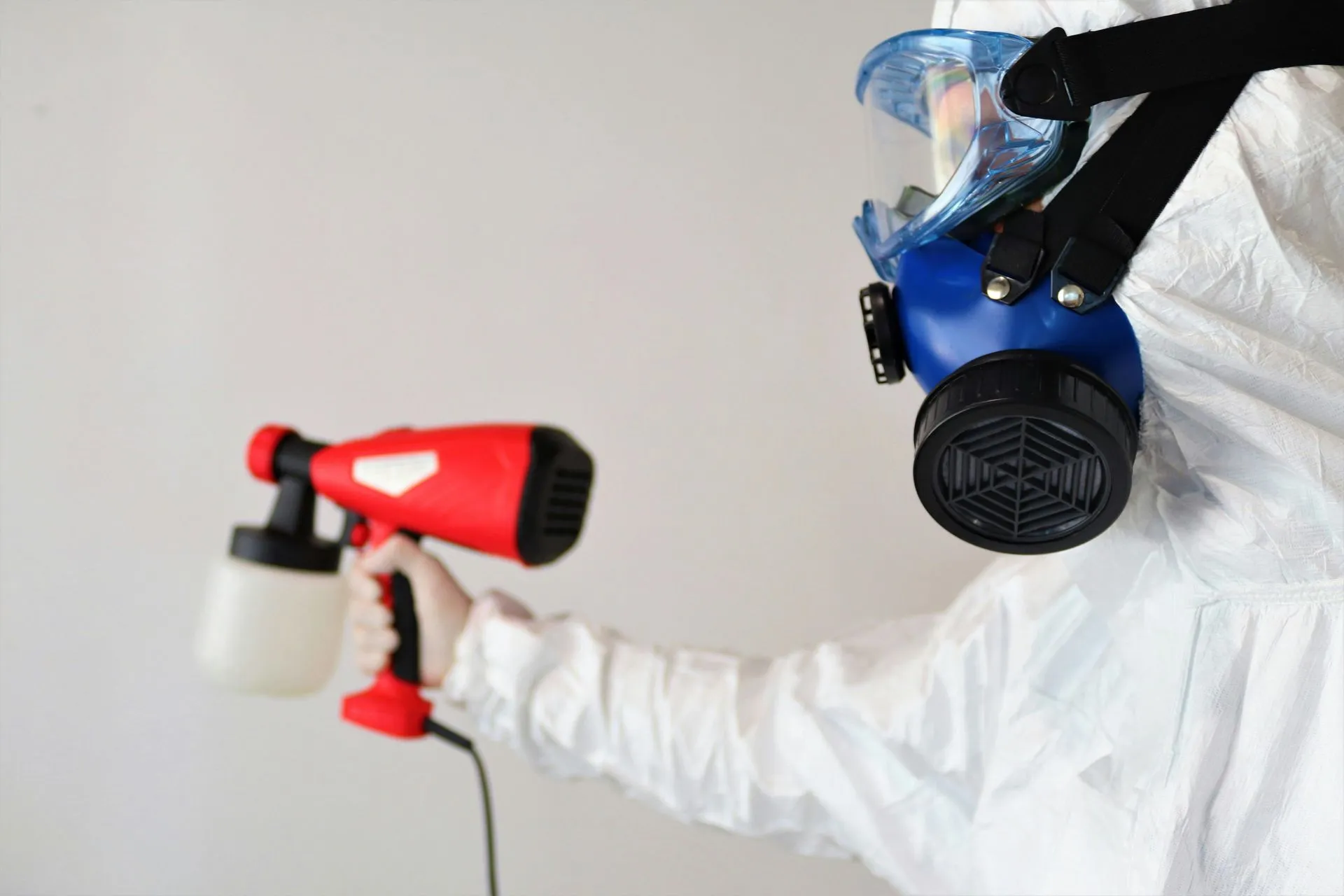
There's Simply no Substitute for Commercial Disinfection Service

There’s Simply No Substitute for Commercial Disinfection Service

As our country continues to grapple with the COVID-19 crisis, the need for commercial sanitization services is at an all-time high. All sorts of professional entities are resuming their day-to-day operations, and slowly ingratiating back into the workplace. Keeping this in mind, it’s imperative that you perform the proper commercial disinfection services to ensure the safety of your clients and your employees.

Fortunately, the team at Frontier Services Group is standing by to lend a helping hand. We’ve provided a few helpful tips and tricks to properly cleanse your commercial surroundings. Whether you run a local retail space or a large production facility, we urge you to browse the following section!

A Two-Pronged Attack On Germs

Don’t forget to use soap! When sanitizing your commercial space, be sure to wash all surfaces with soapy water prior to pulling out the disinfectants. Cleaning with soap will eliminate dirt and impurities from your professional surfaces, while most recommended disinfectants will kill all the remaining germs.

Identify All High-Touch Areas

It’s important to sanitize all high-touch areas throughout your commercial space. Be sure to keep an eye on any doorknobs, countertops, desks, phones, and light switches. We urge you to disinfect these areas on a routine basis!

Safeguard Your Electronics

Most offices feature all sorts of electronic devices that are constantly in use. If your professional space features lots of electronics, you may consider placing easily wipeable covers on your tablets, touch screens, keyboards, and remote controls.

Rely On The Professionals

If you operate a large facility, why leave anything to chance? Certified disinfection specialists will be able to properly sanitize your surroundings at a highly competitive rate. Today’s cleaning professionals make use of ionized hydrogen peroxide to ensure your entire space is cleansed of harmful germs and bacteria.

There's Simply no Substitute for Commercial Disinfection Service

Benefits of Hiring a Team of Professionals for Water Damage Restoration Services

Have you suffered water damage in your home? It can be an extremely difficult and frustrating matter. Water damage can be caused by many things. It could be due to a natural disaster or even a broken pipe around your house. Whatever the cause may be, if your home has suffered serious water damage, you should call a team of professionals to handle the water damage restoration services. Water damage is no joke. It needs to be taken seriously and handled quickly. Do not hesitate to contact a team of professionals to aid you with your restoration project.

Signs of Water Damage

Often, it may not be difficult to tell that you have significant water damage. Sometimes, however, it may be more difficult to truly see how much water damage your house has sustained. If your home may have water damage, you should examine drywall, wood, plaster, insulation, appliance, electrical wiring, and more for water damage. Checking these areas of your home for damage is important. They are areas that you may not check on a regular basis. If you see any mold or distortions on the walls, you may have water damage. Sometimes it is best to call a professional to handle your water damage restoration project.

Benefits of Hiring Professionals

If your home is in need of water damage restoration services, you should rely on a team of professionals. A team of professionals has years of experience when it comes to water damage restoration. They know what to look for to identify the full extent of the damage. They have the proper equipment to fully restore your home. Often, with a water damage restoration project, some form of reconstruction is necessary. These types of tasks are best left to professionals. They will have the knowledge and experience to be able to handle these tasks.

If your home has suffered water damage, rely on our team here at Frontier Services Group. Our staff has years of experience. We have the necessary access to the proper equipment to fully handle your water damage restoration project. Don’t deal with water damage on your own. Contact our team today to learn more information about our water damage restoration services and how we can help. We are proud to offer our services to those in the Houston, TX area.

Supporting Homeowners After Texas Snowstorms

The Recent Snowstorms Have Already Been Devastating. We’re Here to Help.

The recent severe snowstorms and frigid temperatures have already created incredibly difficult situations for home and business owners across Texas. Energy networks and home piping systems in the region have seen particular damage, as they are not adequately prepared for extremely low temperatures or icy conditions. If you are in Texas and have been without power for an extended period of time, the most important thing to do is keep yourself and your family safe. There are hundreds of warming centers open across the state. Click here to find the closest one to you or dial 211 for further assistance.

Once you and the members of your household are safe, it’s time to consider your home and how this weather will affect it. At Frontier Services Group, we have been watching the situation with concern. As local residents ourselves, we are committed to keeping homes and commercial properties in the area safe from storm and weather damages. Our professionals are here to help during this difficult time.

How Does This Weather Affect Your Home?

Freezing temperatures can cause extensive damage to your home, especially if your pipes freeze. Frozen pipes are incredibly dangerous: as water in the pipe freezes, it expands, bursting the pipe. Once temperatures warm and the water melts, the pipe will leak. The resulting damage can be extensive. According to the Insurance Institute for Business & Home Safety, a burst pipe can cause $5,000 or more in water damage. During these snowstorms, we are seeing an increasing number of homes that are experiencing frozen pipes, especially as entire areas go longer and longer without power.. Taking fast action or precautions, if possible, can save you from the worst of the damages.

What Can You Do to Protect Your Home?

While there isn’t much we can do right now to control the weather or determine when power will start going back on, there are precautions you can take now to prevent frozen pipes if you are lucky enough to still have running water in your home. Taking these actions now can help ward off water damage from burst pipes.

  • Drain water from pipes that are likely to freeze, especially external pipes. This includes sprinkler supply lines and swimming pools.
  • Disconnect any hoses from the outside of your home, drain them, and store them indoors or in your garage. Make sure to close any indoor valves that supply these outdoor access points.
  • Apply insulation materials to any areas around vents and light fixtures to help prevent heat from escaping into your attic.
  • Seal up any wall cracks, paying special attention to areas around utility service lines.
  • Allow your faucets to drip cold water; the movement will make it more difficult for water to freeze.
  • Properly seal up your doors and windows.
  • Keep your garage door closed to protect your water lines.

If your pipes have already frozen, it’s important to act quickly to prevent damage. You can tell if your pipes are frozen if no water comes out of your faucet when you turn it on. If this happens, inspect your valves and pipes to see if you have any leaks or if any of your pipes have burst. If your pipes are frozen but not ruptured yet, you can attempt to thaw them yourself or call a professional plumber. Calling a plumber is usually the safest bet; however, with the current situation as it stands, you might have better (and faster) luck trying a DIY fix.

  • Keep your faucet open during the thawing process to safely get rid of water and steam; your pipes will need an opening to get rid of excess moisture.
  • Apply heat to frozen areas of pipe. This can be done via hair dryer, applying an electronic heating pad, or using towels soaked in hot water. Never use an open flame, blowtorch, or propane/kerosene heaters; this presents a severe fire hazard. Remain near your pipes during the thawing process.
  • If your frozen pipes are on an exterior wall, contact a professional if you can, as repairs might be more involved than simply thawing your pipes.

If your pipes have ruptured but have not begun to leak yet, your safest bet will be to turn off the water main to your home to minimize the damage once things begin to thaw. Open any faucets connected to the pipe to reduce pressure and control flooding.

How Can We Help?

Unfortunately, it is very likely that many homes in the greater Beaumont, Dallas, and Houston, TX areas will experience leaking or burst pipes as a result of this uncharacteristic cold snap. Frontier Services Group offers comprehensive services to help your household in these situations, even during an emergency situation. Left unchecked, water damage can create further issues in your home, including mold, rot, mildew, pest infestations, and eventually structural damage. We offer emergency water removal and cleanup services to ensure that none of these things come to pass – or remove the issue if they do come to pass. We offer mold removal services, flood and water damage restoration, and more. Let us help return your home to normal. Reach out to our professionals today!

Immediate Water Damage Restoration

Why Immediate Water Damage Restoration Is Important

A flood can seem like it’s the end of your world, and if the damage isn’t quickly addressed, it can become just that. When you encounter water damage at your home or business, you need to call in an expert water damage restoration company as soon as possible. The longer you delay repair work, the more likely mold and mildew will form, which can cause health problems for you and your family. This guide on immediate water damage restoration will help you understand how this type of restoration works so you can hire the right people for the job when necessary.

What are the effects of improper water cleanup?

When water damage is left unattended, there are additional damages that may occur over time. One of these problems is mold growth. Mold loves moisture and will grow if it has an adequate source. Once there’s a chance that mold could take root in your home, immediate action must be taken to minimize its spread and repair damage already done. The key to restoring your home and protecting against further damage from water is water extraction. Water removal prevents more damage from occurring after a major event like heavy rain, flooding, or frozen pipes bursting this winter so it’s critical you get professional help with water pipe repairs or other situations when you notice signs of water damage.

What happens if you wait too long to start drying out your house?

Without immediate water damage restoration, water can do a lot more than just stain your carpet or ruin your favorite recliner. Mold grows quickly in wet environments and can spread to other areas of your house when you don’t take care of it right away. The longer water stays in one place, the more potential mold has to grow. This can lead to much bigger issues down the line if mold is left unattended. Mold thrives on warm, damp air and if you live in a climate that gets colder during certain months (hello winter!), there’s always a risk that mold could develop throughout parts of your house—including behind walls—when temperatures drop overnight.

Who should perform immediate water damage restoration service?

Rather than trusting your water damage restoration to just anyone, or worse– turning it into a DIY project, you should always have a professional and experienced water damage restoration company handle the cleanup and repairs. Not only will professionals know how to fully extract water and thoroughly eliminate any mold growth, but a restoration company will be able to work with your insurance company or provide you with the financing required to cover the cost of restoring your home to like-new condition.

How can you tell if there was serious property damage?

While some of the signs of water damage are quite obvious (the puddle of water that doesn’t belong in the living room) there are a few less obvious signs that should alert you to the possibility of water in your home:

  • musty odors
  • discoloring of walls and ceilings
  • blistering wallpaper; and
  • sudden increases in utility bills

While these signs are not enough on their own to conclude serious property damage due to excess water, they should be inspected further by a professional for several reasons. First, you need someone who’s equipped to deal with water extraction and mold removal on your property. Second, even if you can see and smell no signs of mold on surfaces such as drywall or floors, it may be present underneath what’s left of them. While water damage may not always be the result of an emergency such as flooding, even leaky pipes pose the risk of serious water damage to your property.

Frontier Services Group for Water Damage Restoration Services

If your property has suffered serious water damage, call the water damage restoration experts at Frontier Services Group. Our restoration company proudly helps communities recover following catastrophes in Houston, and Southeast Texas. Call at 346-553-9929 or Contact us today for water damage repair or other restoration services.

Water Damage In Plano TX

Things You Probably Didn’t Know About Water Damage In Plano TX

When Plano homeowners find themselves with water damage in Plano TX, often they attempt to remove the water themselves to save some money. However, moisture can be tricky to get rid of. You may not actually be as dry as you think. A couple of types of materials in the home are notorious for hiding moisture, and letting water remain can end up costing thousands of dollars in escalating damage later on. Water damage repair in Plano TX goes beyond a towel and a mop.

Concrete Floors & Walls

Our basements and crawlspaces in Plano are generally made of concrete. Even if initially sealed by the builder, overtime, the sealant can break down. Moisture from under the slabs or behind the walls can seep through the concrete material and create water damage issues and a mildew-y, musty odor in Plano TX. If the paint on your concrete floor or wall begins to bubble or shift, that means the sealing product underneath the paint has failed and water is penetrating your home. Consider having spaces such as those periodically examined by a basement waterproofing company to see if there are any steps that need to be taken to eliminate water coming in through the walls and floor and also to prevent it in the first place.

Drywall & Insulation

When drywall or sheetrock is damaged by water, it sometimes needs to be replaced, depending on how it was constructed and how long the wall was left water-logged. Most drywall has a permeable paper backing on each side, and standard latex paint will allow moisture through. Drywall itself, then, if it doesn’t stay wet for too long, can often be dried because air, just like the water, can pass all the way through to help the moisture evaporate.

If there was insulation behind it, there may be another story. If the water soaked into your insulation behind the drywall, you may have to remove the drywall in order to examine the insulation. If it was made of fiberglass batt, it can sometimes dry more quickly because they don’t soak up water. The downside is that fiberglass insulation is usually a great host for dust particles, and those do absorb water and can house mold spores. Because this type of insulation is relatively inexpensive and it may take a long, labor-intensive process to dry the materials, many homeowners opt to just remove and replace with new insulation.

Blown-in cellulose insulation is made of organic materials that act like sponges when in contact with water. Because they become so water-laden, it takes much longer for this type of insulation to dry. And the longer the damp insulation remains in contact with the surrounding wooden structures, the more likely you’ll end up with structural damage and mold growth. This type of insulation can’t be salvaged.

Professional Water Damage Restoration in Plano, TX

Your local, certified water damage restoration specialist in Plano, TX, will be able to determine the correct course of action for remediation based on your unique environment and materials. Frontier Services Group doesn’t offer “cookie cutter” services. They tailor their plan of action for water damage repair in Plano TX   to each customer’s needs and have the experience and expertise to get you back to dry.

What Water Damage Can Be Covered by Your Insurance? Featured Image

What Water Damage Can Be Covered by Your Insurance?

A water event can cause serious damage to a home if not caught right away. Floods, leaks, rain, or a busted pipe can create thousands of dollars in damage in less than an hour. Luckily, most homeowners insurance policies cover many water events, but not all. Do you know what your plan covers?

We advise a yearly review of your homeowners insurance policy to see what will be covered if water damage occurs in your home. Not all homeowners insurance policies are the same, so it is important to know exactly what benefits you’ll receive versus just assuming a problem will be covered.

Most homeowners insurance covers sudden and internal water damage. It means the water damage comes from accidental tearing, cracking, burning, or bulging of steam, heating, AC, or fire protection systems. Other examples include damage caused by heavy rain, snowstorms, and vandalism. External instances of water damage covered by homeowners insurance include heavy rain, snowstorm, water from extinguishing a fire, and vandalism. With plumbing problems, insurance will cover burst pipes, overflowing toilets, and sinkholes that cause water damage to your home’s structure, but it won’t cover gradual leaks that the homeowner is responsible for fixing themselves.

Separate from homeowners insurance is flood insurance. Flood insurance will cover water damage from heavy rain, melting snow, flash flooding, and rising rivers or lakes, but is a separate policy a homeowner will have to purchase.

While homeowners insurance seems to cover the common causes of severe water damage in your home, it will not cover all instances.

As mentioned above, if water damage occurs due to an unresolved maintenance issue, you will end up footing the bill instead of insurance. Other unique instances like flooding, sewer backups, and groundwater flooding are not covered by homeowners insurance, but may be added with additional policies.

If your home is impacted by water damage, call us today to learn how we can help fix the issue. We work directly with many insurance companies and can take the stress off of your shoulders when it comes to coordinating between both companies.

Our team offers services that have helped thousands of residential customers recover from damages – both big or small!

Innovative Drying Technologies: Cutting-Edge Solutions for Faster Water Damage Recovery

Innovative Drying Technologies: Cutting-Edge Solutions for Faster Water Damage Recovery

Water damage restoration is a critical service that can make all the difference in preserving the integrity of a property and the well-being of its occupants. For homeowners facing the daunting heights of restoration following water intrusion, understanding the latest technologies can not only foster informed decision-making but also significantly influence recovery timelines and success rates. In this blog post, we’ll explore some innovative drying technologies that are revolutionizing the water damage restoration industry, helping companies like Frontier Services Group deliver faster, more efficient results.

Understanding Water Damage Restoration

Water damage isn’t restricted to flooding; it can occur due to various reasons, including burst pipes, appliance malfunctions, or roof leaks. At Frontier Services Group, we recognize that time is of the essence when dealing with water damage. The longer water sits, the more damage it can cause, leading to structural issues, mold growth, and potential health hazards.

The Importance of Prompt Action

When a water damage incident occurs, it’s essential to act quickly. Many property owners are unaware that even small amounts of water can lead to significant problems if not addressed immediately. Frontier Services Group emphasizes the importance of contacting professionals for effective water extraction and drying within the first 24 hours after an incident.

The Evolution of Drying Technologies

Traditionally, water damage restoration involved removing standing water, using fans for air circulation, and dehumidifiers to reduce moisture levels. While effective, these methods were time-consuming and often left residual moisture that could lead to mold growth. Recent advancements in drying technologies have introduced faster, more efficient methods that are changing the landscape of water damage restoration.

  1. Advanced Air MoversAir movers play a crucial role in the drying process and are a staple in water damage restoration. Modern air movers are designed to create high-velocity airflow, enhancing evaporation rates. These units can be positioned strategically to target wet areas and are often adjustable to suit varying drying needs.”Using advanced air movers not only speeds up the drying process but also reduces the overall recovery time, minimizing disruption to our clients’ lives,” notes Frontier Services Group technicians.
  2. Low-Grain Refrigerant (LGR) DehumidifiersLow-Grain Refrigerant Dehumidifiers are among the most advanced dehumidification technologies available. Unlike traditional dehumidifiers that operate on higher humidity levels, LGRs are engineered to work efficiently at lower humidity levels, effectively removing moisture from the air and allowing faster evaporation rates.Not only does this technology enhance drying speeds, but it also contributes to improved indoor air quality by extracting harmful contaminants along with moisture.
  3. Desiccant Dehumidification SystemsDesiccant dehumidification utilizes hygroscopic materials (desiccants) that absorb moisture from the air. This technology is particularly effective in situations where temperatures are low or during the winter months when traditional methods may falter.Desiccant systems can achieve extremely low humidity levels, making them ideal for drying sensitive materials like wood and drywall without causing further damage.
  4. Infrared Drying TechnologyInfrared drying is a game-changer in the restoration industry. This technology heats surfaces directly rather than the air around them, effectively removing moisture from materials like carpets and subflooring in less time.Notably, infrared dryers can penetrate deeper into surfaces, ensuring thorough drying and reducing the risk of mold growth. This approach not only speeds up recovery but is also gentler on delicate materials.

The Role of Moisture Meters

Moisture meters are essential tools in water damage restoration, giving professionals at Frontier Services Group precise readings of moisture content in affected materials. By accurately measuring moisture levels, technicians can target drying efforts effectively, ensuring no wet spots remain post-restoration.

Using moisture meters helps prevent future issues by confirming that all areas affected by water damage are adequately dried, mitigating the risk of mold growth down the line.

Addressing Mold and Contamination Challenges

One of the significant concerns in water damage restoration is mold growth. Mold can begin to develop within 24-48 hours after water exposure, posing health risks and complicating the restoration process. Utilizing advanced drying technologies can help mitigate these risks, but additional steps must also be taken.

  1. Mold Inhibitors and BiocidesIn conjunction with effective drying techniques, applying mold inhibitors and biocides can further help contain mold growth, especially in moisture-laden environments. Professionals like those at Frontier Services Group are trained to use these treatments correctly, ensuring safe and effective application.
  2. Continuous MonitoringContinuous monitoring of humidity levels and moisture content is vital throughout the restoration process. High-tech sensors provide real-time data, allowing professionals to make informed decisions and adjustments to drying strategies. By using these devices, Frontier Services Group can ensure that properties are not only dried thoroughly but also kept safe from potential mold development.

Eco-Friendly Drying Solutions

As the emphasis on environmentally friendly practices grows, the restoration industry has seen the emergence of eco-friendly drying solutions. Many leading companies, including Frontier Services Group, are incorporating green technologies that reduce environmental impact while ensuring effective water damage recovery.

  1. Green DehumidifiersEco-friendly dehumidifiers draw less energy and often utilize natural refrigerants. These innovations not only lower operational costs but also contribute to a healthier environment by reducing carbon footprints.
  2. Responsible Waste ManagementWhile utilizing advanced drying technologies, Frontier Services Group also places significant attention on waste management. This includes the responsible disposal of wet materials, ensuring that hazardous waste is handled in line with environmental regulations.

Choosing the Right Restoration Partner

Selecting a reputable restoration company is essential for ensuring that water damage recovery is executed promptly and effectively. Factors to consider include:

  • Experience and Expertise: Look for companies with a proven track record in water damage restoration. Frontier Services Group prides itself on highly trained technicians who understand the nuances of various drying technologies and restoration practices.
  • Availability: Water damage emergencies can happen at any time. A reliable restoration service should be on call 24/7 to respond to urgent situations.
  • Customer Reviews: Assessing customer testimonials can provide insights into a company’s reliability and effectiveness. Frontier Services Group maintains a strong reputation for customer service and successful outcomes.
  • Insurance and Certifications: Ensure that the company is licensed and insured, and ideally, certified by organizations like the Institute of Inspection, Cleaning and Restoration Certification (IICRC), which validates their commitment to best practices in restoration.

Conclusion

In an industry where every moment counts, innovative drying technologies are significantly enhancing water damage recovery processes. By utilizing advanced equipment like air movers, dehumidifiers, and infrared drying systems, companies like Frontier Services Group are leading the charge toward faster, more effective restoration solutions.

As property owners, being informed about these technological advancements equips you to make better decisions when faced with water damage. Remember that quick action combined with the expertise of a professional company can safeguard your home from further damage and provide peace of mind during a stressful situation.

For more insights into water damage recovery and to explore innovative drying solutions, visit Frontier Services Group. With their cutting-edge technologies and committed professionals, you can rest assured that your property is in expert hands.

If you’re facing water damage, don’t wait for the problem to escalate. Contact Frontier Services Group today for immediate assistance and let their team of experts help you reclaim your property and peace of mind swiftly and effectively.

The Ultimate Guide to Detecting Mold in Your Home

The Ultimate Guide to Detecting Mold in Your Home

Mold is a type of fungi that can spread quickly and cause damage to homes and other living environments. It is especially common in humid climates and can be difficult to detect without the proper tools and training. The detection of mold is an important step in ensuring a healthy living environment.

Where to check for mold in a house? Mold can be found in a variety of areas in the home. Common locations are attics, basements, bathrooms, and kitchen cabinets. It is important to check these areas regularly for signs of mold growth.

In this article, we will discuss the best way to detect mold, how to identify it, and what you can do if you find it. We will also outline some important steps for preventing and removing mold from your home.

What is Mold?

Mold is a type of fungus that can occur anywhere in our environment. It helps break down organic matter and is essential for decomposition and nutrient cycling. While some mold types are beneficial to our natural world, others can cause problems indoors when they invade our homes.

The most common indoor molds are Cladosporium, Penicillium, Alternaria, and Aspergillus. All of these molds thrive in damp or humid conditions with little light. This often includes bathrooms and basements that tend to be poorly ventilated and prone to moisture build-up. Other areas where mold could occur include near windows or air conditioners or anywhere else that experiences regular condensation.

Once mold has taken root, it’s important to act quickly in order to prevent the spread of spores throughout your home. Effective mold remediation should always include identifying and removing the source of moisture or humidity that allowed the mold to grow in the first place.

Health Risks Associated with Mold

Mold grows in damp, dark places and can spread rapidly. It’s important to note that not all types of mold are hazardous; however, even non-toxic molds can cause health issues for some people.

Exposure to harmful mold can lead to a variety of health problems, such as respiratory issues, allergies, skin irritation, and even neurological problems. Unfortunately, certain groups are particularly vulnerable to the health risks associated with mold exposure. For example, children, elderly people, and those with compromised immune systems are more likely to suffer from the ill effects of mold than healthy adults.

For this reason, it’s essential to be aware of any signs of mold in your home and to take prompt action if necessary. Removal of mold requires professional help, as improper handling can lead to further contamination. Fortunately, there are many companies that specialize in the detection and remediation of mold.

Visible Signs of Mold Infestation

Mold can present itself in multiple ways, the most common being discoloration, growths, and a fuzzy appearance. It is important to be able to identify these signs of mold so that you can take steps to remediate it before it causes further damage or poses health risks.

Discoloration is usually one of the first signs of mold growth, as it often manifests as black or green spots. These spots can appear on walls, ceilings, and floors and may even be mistaken for dirt or soot in some cases. If the discoloration is found to be accompanied by a musty odor, it is likely caused by mold growth.

Mold can also take the form of fuzzy growths that are usually white, green, or black in color. This growth can appear velvety or cotton-like and is often found in damp areas, such as the bathroom or basement. If a fuzzy growth is spotted, it is important to take steps to remedy it quickly, as this type of mold tends to spread easily.

Hidden Mold: Beyond the Visible

Mold can grow in virtually any environment where moisture and organic matter are present. It often presents itself as an unsightly black, green, or white substance or discoloration on walls, ceilings, furniture, carpets, and other surfaces. Even though it may not always be visible to the naked eye, mold can hide in many places, such as behind walls, in HVAC systems, under carpets, and in other hard-to-reach spots.

If left unchecked, mold can cause serious damage to homes. In addition to the structural damage it can cause if allowed to grow unchecked, some types of molds are also hazardous to health, producing allergens, irritants, and, in some cases, even poisonous substances.

Another way to tell if mold is present in your home is by smell. Damp and musty odors are common indicators that there may be mold lurking somewhere nearby. If you notice an unusual smell in your home or workplace, it’s a good idea to check for the presence of mold.

DIY Mold Detection Techniques

Mold can be a difficult problem to detect in the home. Homeowners have various DIY methods available to them to help identify possible mold growth and address it quickly. Check out these methods on how to detect mold.

Visual Inspection

The most common way to detect the presence of mold is by visually inspecting areas and surfaces that are likely to be affected. Common household locations to check include attics, bathrooms, crawl spaces, walls, window frames, and other similar places. To perform a thorough visual inspection of these areas, look for signs such as discoloration on walls or ceilings, a musty odor, and visible mold growths.

Smell Test

Since molds have distinct odors that are often described as musty or earthy, one of the best ways to detect them is by using your nose. Pay close attention to any strange smells coming from specific areas in your home, and be sure to investigate further if you notice any.

Home Mold Testing Kits

In addition to visual inspections and smell tests, home mold testing kits can also be used to detect the presence of mold in your house. These kits come in various shapes and sizes, with some designed for specific types of surfaces or materials. While these kits can provide useful information about the presence of mold, it is important to note that they are not 100% reliable. Therefore, if you suspect the presence of mold in your home, it is highly recommended to consult an experienced professional for more accurate mold testing services.

Professional Mold Inspection

Mold can be a serious issue in your home, causing damage to the structure and leading to health issues for those living inside. But if caught early, it can often be remedied relatively easily. That’s why it’s essential to invest in professional mold inspections as part of your home maintenance program.

Professional mold inspectors use a variety of tools and techniques to help identify potential issues, such as infrared imaging, moisture meters, surface sampling, air quality tests, and more. While some homeowners may attempt to inspect for mold on their own, it’s best to trust the professionals who know what they’re doing and have the right equipment to get the job done.

When selecting a mold inspection company, make sure they are experienced and certified, as well as willing to answer any questions you may have about the process. Ask for referrals or testimonials from past customers, and find out if their services come with guarantees.

It’s also important to recognize that mold inspections should be conducted on a periodic basis, even in the absence of visible signs. This is particularly true after any kind of water damage incident, such as a flood or leaky pipe. With regular inspections, you can ensure that your home and family remain safe and healthy for years to come.

Mold-Free Living is a Click Away. Reach Out Now!

USA Restoration Pro is here to help reduce the damage caused by mold in your home. By removing any existing mold and taking effective preventive measures, we can help keep your living space safe and healthy. Our team of experienced professionals will carefully assess the situation, take necessary steps to eradicate the mold, and treat affected areas with our specialized products. We’ll also provide you with the best advice on how to maintain a healthy environment going forward.

With our comprehensive range of services, we are your one-stop solution for all mold-related issues. Contact us today to learn more about how USA Restoration Pro can help you protect your home from potential damage due to mold.

Preventing Mold Recurrence: Proactive Strategies for Long-Term Mold Management

Preventing Mold Recurrence: Proactive Strategies for Long-Term Mold Management

Mold can be any homeowner’s worst nightmare. Not only can it cause structural damage to your property, but it can also pose serious health risks to you and your family. As mold damage restoration experts, Frontier Services Group understands the frustrations that come with dealing with mold infestations.

Below, we delve into proactive strategies for long-term mold management to ensure that your home remains a safe, healthy, and comfortable environment in the long run.

Proactive Mold Management Strategies

Let’s explore effective strategies that can help reduce the risk of mold recurrence.

Regular Inspections

Conducting regular inspections of your property can catch potential mold growth early on. Look for signs of moisture accumulation, discoloration on walls, or musty odors; all indicators that either a water leak or an active mold problem exists.

Tip: Schedule inspections at least every six months, especially in areas prone to humidity or dampness, such as basements and bathrooms.

Control Humidity Levels

Mold thrives in environments with high humidity. To maintain a healthy indoor humidity level (ideally between 30% and 50%), consider the following:

  • Use Dehumidifiers: In particularly damp areas, dehumidifiers can significantly lower humidity levels.
  • Air Conditioning: AC units not only cool your home but also remove moisture from the air.
  • Ventilation: Ensure proper ventilation in high-moisture areas. Install exhaust fans in bathrooms and kitchens to help facilitate air exchange.

Repair Water Leaks Immediately

Water leaks—whether from plumbing, roofs, or windows—are often the primary cause of mold growth. Ensure that:

  • Plumbing Is Inspected Regularly: Check for leaking pipes and faucets.
  • Roof Inspections: Look for missing tiles or damaged flashing that could lead to water infiltration.
  • Windows Are Sealed: Ensure windows and doors are free from cracks that can allow moisture.

If you’ve experienced water damage, it’s best to seek professional help such as that of Frontier Services Group. The sooner you address the issue, the lesser the chance for mold growth.

Clean and Maintain Gutters

Clogged gutters can cause water to pool around your home’s foundation, leading to leaks. Regularly cleaning your gutters can significantly reduce this risk.

Tip: Clean your gutters at least twice a year, and consider installing gutter guards to minimize debris accumulation.

Use Mold-Resistant Products

When doing renovations or repairs, opt for mold-resistant materials in areas prone to moisture, such as bathrooms and kitchens. This includes:

  • Mold-Resistant Drywall: Designed to handle high humidity levels.
  • Mold-Resistant Paint: Contains antimicrobial agents to resist mold growth.
  • Mold-Resistant Flooring: Vinyl and tile are easier to clean and maintain than carpets in damp areas.

Conclusion: Take Action Today

Mold can pose significant threats to your home and health if left unchecked. By adopting proactive strategies for long-term mold management, you can significantly reduce the likelihood of recurrence.

At Frontier Services Group, we emphasize that taking action now can save you time, money, and stress down the road. Remember, while mold remediation is essential when a problem arises, prevention is the key to maintaining a mold-free home.

Implement the strategies discussed in this blog post to ensure your home is a haven for you and your loved ones.

If you ever find yourself facing a mold issue or would like professional mold remediation services, don’t hesitate to reach out to Frontier Services Group. Expert assistance is just a call away.