Nearest Location Nearest Location National Call Center (800) 858-1701

Does Water Damage Cause Mold? What You Need to Know!

A particularly persistent problem in damp, humid,  or rainy regions, mold can emerge from seemingly nowhere. However, any mold you find in your home or business has likely been growing for quite some time—just out of sight.

But what about homes and businesses in arid, dry, or desert locations that have experienced water damage? Can water damage cause mold?

The short answer is yes. Read on to learn how water damage leads to mold, what signs to look for, and when to call in the pros.

How Water Damage Can Quickly Lead to Mold Growth

Tiny, invisible mold spores naturally exist everywhere. When they encounter wet surfaces, they start growing. That’s why water intrusion provides a perfect environment for mold and often requires professional water damage restoration to fully dry and stabilize affected materials.

If the wet surface is an organic material (e.g., wood) or a porous material (e.g., drywall), mold growth can become especially quick and pervasive.

Generally speaking, mold spores begin growing within 24 to 48 hours. That window of time is recognized and referenced by industry guidance as a key benchmark for mold detection and response.

Types of Water Damage That Commonly Cause Mold

Three types of water damage can create optimal conditions for mold:

  • Clean water – Generally referring to tap water or rainwater, sources include plumbing failures, appliance leaks, and minor roof leaks. This is also referred to as Category 1 water. 
  • Grey water – This consists of water used for basic cleaning or nonpotable purposes, such as from sump pump failures, washing machine drainage, or contaminated moisture sources. This type of water damage is categorized as Category 2.

Black water – Also known as ‘Category 3’ water, black water is contaminated with human or animal waste and could be harmful or toxic. Presenting the greatest risk of rapid-spreading mold, sources include sewage backups and floodwater. Even though rain rainwater starts as Category 1 it quickly becomes Category 3 once it hits the ground or enters a building, picking up contaminants like debris, sewage, chemicals, and bacteria. 

Hidden Moisture That Homeowners Often Miss

Perhaps the most frustrating problem with mold is how difficult it is to detect early growth or the moisture that causes it—at least with the human eye. Moisture can become trapped behind drywall, within insulation, under flooring, or inside wall cavities, allowing for unmonitored spreading. 

Mold-enabling moisture can also come from humidity, condensation, or poor ventilation, regardless of whether visible water remains or not.

Early Signs of Mold After Water Damage

After water damage, it’s crucial to monitor for early signs of mold, including: 

  • Musty odors lingering in affected rooms, especially enclosed spaces
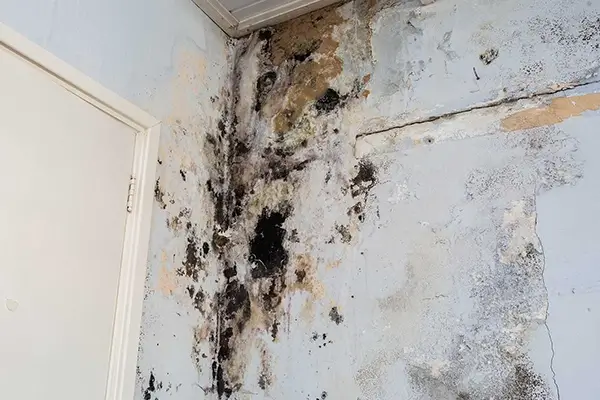
  • Discoloration, spotting, or water stains emerging from behind walls, ceilings, or trim
  • Peeling paint, warping wood (e.g., floors, door jambs), or soft, spongy drywall
  • Allergies, coughing, or respiratory irritation persisting or worsening
  • Increased indoor humidity or condensation (e.g., on windows or on bathroom surfaces)

When Mold Becomes a Serious Problem

So, water issues and damage can cause interior mold growth. But if the same mold keeps coming back regularly, a moisture source (and larger issue) is likely responsible. This can be especially troubling when porous materials are involved, as the mold growth becomes pervasive and persistent. 

More than just a surface-level issue, unchecked mold growth can cause structural deterioration and serious health concerns.

Mold Returning After DIY Cleaning

If the mold keeps returning no matter what you do, call in a certified, expert mold technician. There’s likely an underlying moisture source or another issue that they can identify using dedicated detection tools.

Mold Growth Larger Than 10 Square Feet

According to the Environmental Protection Agency (EPA), mold growth that’s less than 10 sq. ft. can generally be handled on your own. Once the growth exceeds that size, however, there’s likely extensive water damage, hidden moisture, contamination, or deeper structural issues to deal with. 

At this point, the EPA recommends calling in a professional.

Mold Appearing After Flooding or Major Water Intrusion

As a ‘Category 3’ type of water, floodwater introduces contaminants that speed up mold growth and can make it more harmful to live around.

Even after professionals remediate and restore the contaminated area, continued monitoring is important. This is because mold spores are invisible, and even after the mold colony dies, spores can remain present inside walls, flooring, and similar spaces.

Mold Causing Strong Odors or Structural Warning Signs

Musty odors and soft, deteriorating building materials often indicate a significant mold problem. Check for structural ‘red flags’ like soft drywall, rotting wood, sagging flooring, or staining under paint or wallpaper. If building materials seem ‘spongier’ than they should be, mold and moisture are probably the reason.

Mold Found in HVAC Systems

If you suspect mold might be growing within your HVAC system, the spores produced will circulate through your ducts and vents, following the air current. This type of spreading makes it very difficult to locate and contain all the activated spores. It’s even tougher to locate and eliminate the original source, making professional help crucial.

What Happens If You Ignore Mold After Water Damage

While no one wants to go through the hassle of addressing a mold problem, ignoring it will only make the situation worse:

  • The speed at which mold spreads makes cleanup exponentially more difficult and costly over time.
  • Individuals living or working around the mold could develop respiratory symptoms, allergies, or irritation—a legal concern for employers or property managers.
  • Delaying remediation may cause your insurance provider to deny your claims.

Preventing Mold 

To prevent or reduce the likelihood of mold issues after water damage, follow these steps:

  • Dry the area quickly and thoroughly – Towels and fans can help rid moisture, but there’s no comparison to professional-grade dehumidifiers and drying equipment. If possible, verify moisture levels, as you won’t be able to determine dryness with just your eyes.
  • Address the source of the moisture – Sometimes leaks, drainage problems, roof issues, and plumbing failures are easy to identify. When they’re hidden and cultivating mold, it’s far more difficult to actually resolve the problem. If mold keeps returning to the same place, you need to track down and fix the source.
  • Improve ventilation and humidity control – Promote airflow throughout basements, bathrooms, attics, and crawl spaces with fans or dehumidifiers. Per EPA guidance on mold, indoor humidity should ideally range from 30% to 50%, and never exceed 60%.
  • Inspect regularly after heavy rain or leaks – Periodically check for new stains, odors, moisture spots, and mold growth. Any issues you can spot and remediate immediately will help prevent larger, costlier problems later on.

When to Call a Professional Mold Remediation Company

Any time you’re concerned that a mold job might be too much or too hazardous to handle, call in for professional mold remediation services. Without the specialized tools and training of certified technicians, most homeowners and property managers have difficulty properly testing for moisture, identifying mold, containing its spread, and completing a thorough remediation that helps prevent future outbreaks.

Other indicators that you want to call a professional include:

  • Mold growth covering more than 10 sq. ft.
  • Mold emerging after a flood with ‘Category 3’ water
  • Mold that keeps returning no matter what you do
  • Strong, musty odors seem to linger in certain rooms or locations
  • Health symptoms—particularly respiratory—seem to grow worse indoors

Without the experience or tools of certified technicians, the average homeowner or property manager will struggle to adequately test moisture, inspect for mold, contain the growing colony, and fully remediate the mold while preventing future outbreaks. 

On the Frontier of Mold Remediation

So, does water damage cause mold? 

Yes. It’s one of the main culprits.

Water damage—whether minor or pervasive—rapidly leads to mold spores activating and growing in the span of just one or two days. Early action, including drying, inspecting, and calling in the pros as needed, remains the best strategy to fully remediate mold. You’ll protect your home or business’s integrity, people’s health, and your wallet.

To learn more about mold remediation—or to tackle a persistent problem you just can’t seem to solve on your own—contact Frontier Services Group. Our certified technicians provide immediate, 24/7 assistance and expert mold remediation support.


Sources:

When is Mold Remediation Required? What You Need to Know

Mold is one of the most common household and property issues, and while a small crop of mold on bathroom tile can be easily remedied, larger or recurring outbreaks point to a deeper issue that requires professional intervention.

Mold remediation is the process professionals use to do exactly that. It’s how remediation professionals identify, contain, and safely remove infestations caused by excess moisture or water damage, targeting the root cause of outbreaks to prevent future growth.

But not every mold situation demands a complete remediation. This begs the question: When is mold remediation required?

Knowing the signs of a mold problem can help you determine whether you need remediation and help you avoid financial, health, and property damages down the line.

Why Mold Grows and Why It’s a Problem

Mold is a natural component of the environment, present both indoors and outdoors. In small amounts, mold isn’t harmful. However, when spores settle in moist, warm, or organic materials (e.g,. wood or fabric), they thrive. This leads to excessive mold growth.

Mold growth and spread can begin as early as 24 to 48 hours after water exposure. The most common triggers for mold spread include:

  • Leaks
  • Flooding
  • Poor ventilation
  • High humidity

These conditions tend to be especially common in older homes or buildings. Left untreated, mold can lead to:

  • Health issues – It’s common to experience allergic reactions to mold, with symptoms like congestion, coughing or wheezing, and respiratory irritation. Some individuals, like those with asthma, may be more susceptible to mold-related reactions than others.
  • Structural damage – Mold can cause decay in organic building materials like drywall or wood, which can lead to warping, stains, and rot.
  • Indoor air quality problems – When mold isn’t visible, an earthy odor can often signal growth in hidden areas like HVAC systems or in walls.

Put simply, mold isn’t just an issue of hygiene. It impacts both structural integrity and human health and well-being. Understanding when mold remediation becomes necessary can help prevent damage before it advances.

When Is Mold Remediation Required?

Whether you’re looking at a home or a business, every property is different. However, several situations—where mold has progressed beyond surface-level cleaning—warrant professional remediation.

Visible Mold Growth Over 10 Square Feet

The EPA recommends professional remediation when visible mold covers an area larger than 10 square feet (around 3’X3’). Smaller contamination sites, like those found in many showers or washing units, can typically be safely cleaned by homeowners.

Large mold growth areas usually indicate hidden moisture issues—like behind walls, flooring, or ceilings—that require specialized containment and cleanup. Professional remediation teams use a variety of compliant, trade-standard methods to address these issues, such as:

  • Containment barriers
  • HEPA filtration systems
  • Protective equipment

These methodologies help prevent spores from spreading during the cleanup process. Using special equipment like moisture and humidity meters, professionals can also identify the underlying causes of the infestation (e.g., leaks)—a crucial measure in preventing future outbreaks.

Mold Growth After Flooding or Major Water Damage

Humid climates and seasonal flooding make water damage one of the leading causes of mold infestations in certain parts of the country. If walls, insulation, or flooring materials remain moist for more than 24 hours, mold growth is extremely likely.

Even after water has been removed, spores can linger in porous surfaces and quickly spread. Professional remediation helps ensure that affected materials are adequately dried, cleaned, and, if necessary, replaced, and that air quality is restored through proper dehumidification and filtration.

Persistent or Recurring Mold

If you’ve cleaned visible mold only for it to come back days or weeks later, you probably haven’t tackled the root cause. Hidden moisture can cause mold to grow behind drywall, under flooring, or inside HVAC units, where it can’t be reached with standard household cleaning products.

Professional remediation includes a thorough inspection using moisture meters, thermal imaging, and air sampling to identify the source of mold growth. Once the underlying cause has been located, remediation professionals can prevent regrowth from occurring.

Mold That Causes Odor or Structural Damage

If mold has started to weaken wood moulding, drywall, or flooring, professional intervention is non-negotiable to ensure occupants’ safety. In these cases, mold remediation, as well as reconstruction, is needed to stabilize damaged areas.

Strong, musty odors often signal the hidden presence of mold. Sometimes, odor can be detected before mold becomes visible. Hiring a professional remediation team can help you locate and eradicate these hidden colonies.

Mold in HVAC Systems

If you detect a musty odor coming from HVAC vents, visible mold near coils or ducts, or recurring mold in rooms you’ve already cleaned, it could be a sign of mold growth in your HVAC system. These cases are particularly hazardous because spores can be more easily distributed throughout the home or commercial space.

HVAC mold requires specialized remediation and duct cleaning, often alongside air filtration and dehumidification. Professional teams can help diagnose the issue and, if remediation is necessary, follow EPA guidelines to ensure the entire system is sanitized and safe to operate.

Mold in Occupied Commercial or Rental Properties

Property owners and managers have a legal responsibility to maintain safe indoor environments for their tenants. Signs of mold infestation in apartments, offices, or public spaces pose ethical and liability risks, especially if they’re contributing to occupant or employee health problems.

In these cases, property managers and business owners should act quickly to protect tenants and meet local regulations. Proper documentation and post-remediation verification can help protect both occupants and property owners throughout the process.

Signs You May Need Professional Mold Remediation

Even before mold growth is visible, several red flags can indicate that an infestation is present or on track to develop. These include:

  • Persistent allergy symptoms or respiratory issues indoors
  • Discoloration or water stains on ceilings, walls, or flooring
  • Musty or “earthy” smells in enclosed or humid spaces
  • High indoor humidity or condensation buildup on windows
  • Past or ongoing leaks involving plumbing, roofing, or HVAC

If you notice any warning signs, it’s highly recommended that you schedule a professional inspection. Frontier Services Group’s trained technicians can assess your property with industry-grade equipment to evaluate whether remediation is necessary.

What Happens If You Delay Mold Remediation

Delaying mold remediation can often exacerbate the problem, leading to more invasive and costly procedures later on. In fact, putting off remediation can cause mold to spread quickly, elevated health risks, potential insurance problems, and structural deterioration over time.

Acting fast can help ensure a safe home or business, a more efficient cleanup process, and fewer long-term expenses.

3 Ways to Prevent Mold After Remediation

While remediation takes care of existing mold, prevention is critical for keeping it from returning. The EPA and IICRC both stress that long-term prevention hinges on moisture control, proper ventilation, and regular inspections.

#1 Address Moisture Sources

Reducing overall moisture exposure could include:

  • Plumbing, roofing, or foundational repairs to eliminate leaks
  • Improving drainage to divert water from your property
  • Using dehumidifiers in high-humidity areas like basements or crawl spaces
  • Aiming to maintain indoor humidity between 30% and 50%

#2 Improve Airflow and Ventilation

Encouraging proper ventilation in spaces might look like:

  • Keeping interior doors open to encourage circulation between rooms
  • Cleaning HVAC filters regularly to maintain airflow
  • Seeking professional duct cleaning after heavy use or water damage
  • Using fans in humid areas like basements, attics, bathrooms, kitchens, and laundry rooms

#3 Conduct Regular Inspections

Inspecting high-risk areas regularly helps lower larger, long-term costs. Seasonal inspections will cover:

  • Checking for damp spots or discoloration after leaks or heavy rain
  • Inspecting damp, dark spaces for mold growth
  • Scheduling professional moisture testing mold testing and air quality checks

These measures are particularly important for high-humidity regions, where typical conditions and seasonal storms can encourage mold growth year-round.

When to Call a Professional

Knowing when to seek professional property restoration and remediation help is crucial for protecting your space and the people who inhabit it. It’s advised that you reach out to a certified mold remediation team if:

  • You notice visible growth covering large areas
  • You’ve recently experienced flooding or major water damage
  • Mold continues to return even after you’ve cleaned it
  • You notice structural deterioration or musty odors
  • Mold appears to be growing near HVAC systems or duct openings
  • Property occupants have reported persistent respiratory symptoms

Even if you’re not sure remediation is necessary, professional testing and inspection can provide clarity and peace of mind so you can identify the best next steps forward.

Stop Mold Early with the Pros at Frontier Services Group 

Mold remediation is necessary when an infestation is widespread, recurring, or easily linked to hidden moisture or structural damage. Delaying or ignoring the issue can rapidly escalate insurance complications, health concerns, and repair costs later down the line.

Don’t let not knowing who to call deter you from addressing the problem. The team at Frontier Services Group is a full-service mold remediation company providing inspections, water removal, air quality renewal, and restoration to homes and properties throughout the Texas area. Our experts comply with EPA and IICRC recommendations to ensure your property is restored as efficiently, safely, and affordably as possible.

If you think you may have a mold issue, don’t wait. Reach out to Frontier Services Group 24/7 to book an assessment for your home or business.


Sources: 

  1. EPA. A Brief Guide to Mold, Moisture and Your Home. https://www.epa.gov/mold/brief-guide-mold-moisture-and-your-home
  2. National Institute of Environmental Health Sciences. Mold. https://www.niehs.nih.gov/health/topics/agents/mold
  3. EPA. Mold Cleanup In Your Home. https://www.epa.gov/mold/mold-cleanup-your-home
  4. EPA. Mold Remediation in Schools and Commercial Buildings Guide: Chapter 4. https://www.epa.gov/mold/mold-remediation-schools-and-commercial-buildings-guide-chapter-4
  5. EPA. Should You Have the Air Ducts in Your Home Cleaned? https://www.epa.gov/indoor-air-quality-iaq/should-you-have-air-ducts-your-home-cleaned
  6. Legal Clarity. Can You Sue for Mold Exposure? What You Need to Know. https://legalclarity.org/can-you-sue-for-mold-exposure-what-you-need-to-know/
  7. The Spruce. This Is the Ideal Humidity Level for a Comfortable Home, According to Pros. https://www.thespruce.com/ideal-humidity-level-in-home-8576623

What is Mold Remediation and How Does it Work?

Mold is unsightly, and it’s much more than just an aesthetic or hygienic issue. Mold outbreaks can compromise building architecture, impact indoor air quality, and pose significant health risks to those exposed.

Mold remediation is the process of identifying, containing, and safely removing mold, addressing the root issue that caused it to grow in the first place. Professional mold remediation teams follow a structured, safety-first approach intended to protect both your property and your health.

If mold continues to grow unchecked, it can spread rapidly, with damage worsening over time. Knowing what the remediation process entails can help you choose the right remediation partner to ensure the job’s done right.

What is Mold Remediation?

Mold remediation is the comprehensive process of removing mold contamination and restoring healthy indoor air quality. It involves:

  • Identifying the root cause of the mold
  • Safely removing materials affected by it
  • Preventing regrowth by eliminating excess moisture

Many home and business owners use “mold removal” and “remediation” interchangeably, but professionals make an important distinction. Remediation not only removes visible mold but also corrects the environmental conditions (like leaks or humidity) that encouraged it to grow in the first place.

Why Mold Remediation Matters

Addressing only surface-level mold growth without fixing the root cause will almost certainly lead to regrowth. And mold isn’t just unpleasant to look at—it can seriously impact both property and human health:

  • Structural damage – Mold thrives in organic materials like wood, drywall, and insulation. Over time, it can weaken walls, ceilings, and floors, forcing business owners and homeowners to make expensive repairs to reverse the damage.
  • Health risks – Mold exposure, when prolonged, can lead to a variety of symptoms ranging in severity. Some of the most common are allergic (e.g. nasal congestion, itchy eyes, skin rashes) and respiratory (wheezing, coughing, difficulty breathing). These symptoms tend to be especially severe in people who are sensitive to allergens. If mold exposure continues, it can worsen preexisting respiratory conditions or cause discomfort in otherwise healthy people.

Under the right conditions, mold spores can begin spreading within 24 to 48 hours after being exposed to moisture. The longer mold growth is left untreated, the more extensive and expensive remediation can become.

However, professional mold remediation services are essential. It protects indoor air quality, restores property integrity, and helps prevent a recurring outbreak, ensuring your environment is (and remains) clean and safe.

The Mold Remediation Process, Step-by-Step

Every reputable mold remediation service follows a systematic process to ensure lasting protection. Here’s what to expect when you contact a skilled, full-service restoration company.

#1 Inspection and Assessment

The first step is to conduct a comprehensive inspection. Trained professionals use specialized tools like moisture meters and thermo-hygrometers (which measure humidity and temperature) to locate hidden moisture sources.

Ultimately, this stage addresses:

  • The type of mold present (and whether you need further mold testing)
  • The extent or severity of contamination
  • The underlying moisture source, like plumbing leaks or condensation

Based on these findings, a contractor will develop a remediation plan. This will designate required safety precautions, containment setup, and cleaning methods.

#2 Containment and Safety Setup

Mold spores can spread extremely easily and quickly, so the next step is to prevent cross-contamination.

A mold professional will isolate the affected area using physical barriers like plastic sheeting. They may also set up negative air pressure to dispel spores, using tools like AFDs (air filtration devices) such as air scrubbers or HEPA vacuums.

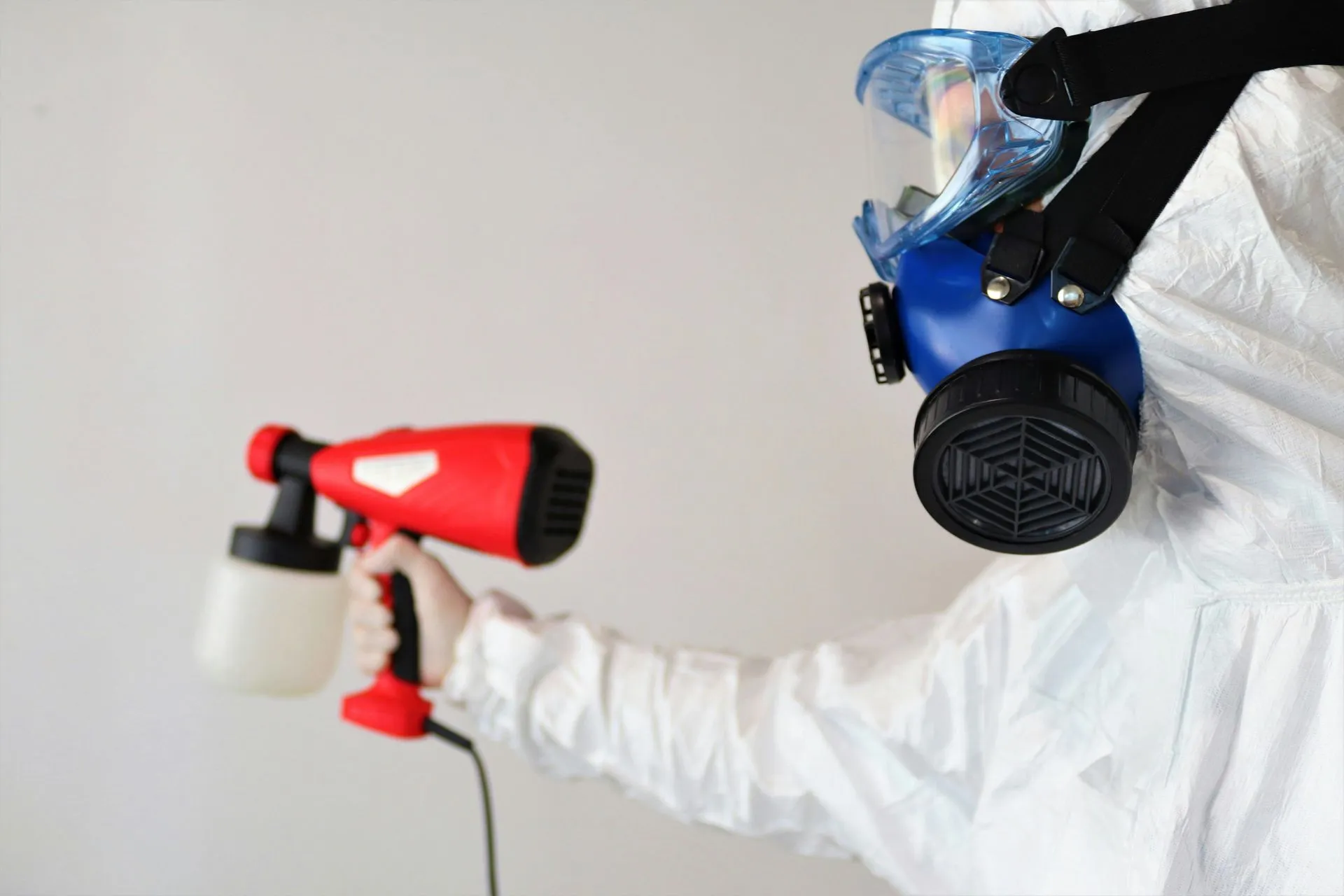
While they work, technicians will wear personal protective equipment that may include respirators, gloves, or full-body suits to protect themselves and prevent spore transfer. These measures help ensure mold spores cannot enter clean sections of the home or business, adhering to IICRC standards and EPA guidelines for containment.

#3 Air Filtration

Once containment is in place, technicians will set up HEPA air filtration systems to capture airborne spores and other particles. Continuous filtration helps to:

  • Maintain clean air during the remediation process
  • Prevent spores from migrating
  • Speed up the restoration of indoor air quality

This step is particularly critical for larger or high-traffic zones, as even minimal air disturbance can encourage spores to further infiltrate the surrounding environment.

#4 Mold Removal and Cleaning

With containment and air purification underway, technicians begin the mold removal process. Different structural materials require different cleaning methods:

  • Porous materials – Drywall, carpeting, insulation, and other breathable materials are easily penetrated by mold. These are typically removed from the area and replaced.
  • Non-porous materials – Glass, metal, and tile don’t necessarily need to be removed. These are more easily cleaned, disinfected, and restored.

Specialized antimicrobial and antifungal treatments are applied to exterminate remaining spores and discourage regrowth. This phase may also include vacuuming with HEPA filters, some of which are capable of removing approximately 99.97% of residual mold particles.

#5 Drying and Dehumidification

After removal and cleaning, it’s time to dry and dehumidify the affected area. Mold thrives in damp, muggy environments, so this stage is decisive for long-term prevention.

Technicians use industrial-grade air movers and dehumidifiers to reduce humidity to safer levels, typically between 30 and 50% relative humidity. Technicians will also use moisture and humidity meters regularly to confirm that affected areas are sufficiently dry.

#6 Repairs and Restoration

Once the area is clean and dry, any removed or damaged materials need to be replaced or repaired. Depending on the extent of contamination, this could involve:

  • Replacing sections of drywall, insulation, or flooring
  • Reconstructing segments of impacted rooms
  • Painting or refinishing surfaces

Professional remediation ensures the area is not just clean and mold-free, but structurally sound and restored to its original condition (or better). This is why it’s so crucial to partner with a full-service team that can address both mold contamination and the reconstruction/restoration work.

How Long Does Mold Remediation Take?

The duration of mold remediation varies based on the size of the affected area, contamination level, and location/accessibility of damage. As a general guideline:

  • Small areas take approximately 1 to 2 days
  • Medium infestations take approximately 3 to 5 days
  • Large or structural cases take approximately 1 to 2 weeks or more

The needs of the drying and dehumidification stages can extend these timelines, as professionals must ensure moisture has been completely eradicated before restoration work starts. In mold remediation, quality matters more than speed, as rushing the process increases the chances of recurring contamination.

Common Causes of Mold Growth

Mold thrives in damp, dark, poorly ventilated environments. Common causes of growth include:

  • Water intrusion and leaks – Plumbing leaks, roof damage, and flooding are among the leading contributors to mold growth.
  • Poor ventilation – Kitchens, bathrooms, and attics with inadequate airflow can trap moisture and elevate humidity, leading to buildup.
  • Condensation and humidity – Spaces like basements and crawl spaces are vulnerable to higher humidity levels, especially in humid climates closer to the equator.

Even small water events, like an unnoticed leak under a sink, can create ideal conditions for mold to thrive. Identifying the cause early helps prevent costly repairs down the line.

Preventing Mold Growth After Remediation

The most effective way to prevent mold after remediation is to control moisture and maintain efficient ventilation. Home and business owners can do this by:

  • Identifying and controlling moisture sources – Inspect plumbing, roofing, and HVAC systems regularly to screen for leaks and excess condensation.
  • Improving ventilation systems – Use exhaust fans in bathrooms and kitchens, install dehumidifiers in basements, and aim to keep indoor humidity between 30 and 50%.
  • Getting regular inspections – Schedule professional assessments, especially after storms, leaks, or flooding. This way, you’ll catch potential problems early.

Professional Mold Remediation vs. DIY

While small mold spots on tile, washing machines, or shower grout can often be cleaned safely without professional help, significant contamination requires professional remediation.

Attempting a DIY cleanup without proper containment or protective equipment can lead to spores spreading throughout a property, leading to problems in new areas. Moreover, incomplete or inadequate removal elevates the risk of mold regrowth, raising potential health problems later.

Hiring licensed, insured professionals like the team at Frontier Services Group ensures the remediation process complies with EPA and IICRC (Institute of Inspection, Cleaning and Restoration Certification) standards, aided by top-tier equipment to properly clean, dry, and restore affected areas. If you’re looking to restore and protect your home or business, professional remediation provides peace of mind that the job will be done thoroughly and safely.

Let Frontier Handle Your Mold Remediation Needs

Put simply, mold remediation is a structured, multi-tiered process designed to restore your quality of life indoors and prevent future outbreaks. Responding quickly to mold growth by hiring a professional mold remediation team is one of the best things you can do for your property, as well as your health.

Frontier Services Group provides certified mold remediation, moisture control, and restoration solutions to protect homes and businesses in the Houston area from current and recurrent mold problems. Our team is trained to target mold at the source and design a specified plan for immediate recovery and long-term prevention.

If you’ve discovered mold or suspect an issue on your property, reach out to a Frontier team member today to schedule your assessment and protect your peace of mind.


Sources: 

  1. Institute for Environmental Research and Education. What is Mold Remediation? https://iere.org/what-is-mold-remediation/
  2. Healthline. How Long Does It Take for Mold to Affect Your Health? https://www.healthline.com/health/how-long-does-it-take-to-get-sick-from-mold-exposure#short-term-exposure-symptoms
  3. Institute for Environmental Research and Education. How Fast Can Mold Spread? https://iere.org/how-fast-can-mold-spread/
  4. International Journal of Environmental Research and Public Health. Structural Home Defects Are the Leading Cause of Mold in Buildings: The Housing and Health Service Experience. https://pmc.ncbi.nlm.nih.gov/articles/PMC9779167/
  5. The Spruce. Mold Remediation and Removal: Cost, Process, and More. https://www.thespruce.com/is-mold-remediation-worth-it-1822834
  6. Environmental Protection Agency. Mold Course Chapter 6: Containment and Personal Protective Equipment (PPE). https://www.epa.gov/mold/mold-course-chapter-6
  7. Environmental Protection Agency. What is a HEPA filter? https://www.epa.gov/indoor-air-quality-iaq/what-hepa-filter
  8. Bye Humidity. At What Humidity Does Mold Grow? Learn How to Prevent It. https://byehumidity.com/at-what-humidity-does-mold-grow
  9. International Journal of Environmental Research and Public Health. Structural Home Defects Are the Leading Cause of Mold in Buildings: The Housing and Health Service Experience. https://pmc.ncbi.nlm.nih.gov/articles/PMC9779167/

A Complete Insurance Guide to Mold Remediation

Dealing with a mold problem is already unpleasant, but undergoing the process of remediation can make it even more stressful.  Property owners might wonder, “Is mold  removal covered by insurance?”

Professional mold remediation services can be covered by insurance, but coverage largely hinges on how the outbreak originated, your policy, and how quickly you handle the situation. Knowing what to expect from your insurer—and how to handle possible denials during the claims process—can help you navigate remediation as efficiently and cost-effectively as possible.

When Mold Remediation May Be Covered by Insurance

Standard homeowners or business property insurance does cover mold remediation under specific conditions. Namely, when it’s caused by a covered peril, which refers to a sudden, accidental event like water damage from an appliance malfunction.

A covered peril might look like:

  • A sudden pipe burst in the home, which causes flooding behind a wall and leads to mold growth. If you report the issue quickly, insurance may cover remediation due to its original cause (a pipe bursting).
  • A small fire, where firefighters use water to suppress the fire, leaving behind water damage that can then lead to mold.  In this case, the fire would constitute a “covered peril,” meaning insurance might cover your mold remediation expenses.

These are circumstances where it’s possible to seek coverage, but proper documentation and fast action are crucial for securing it. Delaying reporting or failing to fix the source of the moisture can lead to insurance complications or coverage denial.

When Mold Remediation Usually Isn’t Covered

Unfortunately, in many cases, insurance won’t cover mold remediation if the source of the issue is chronic or handled poorly. Common exclusions include:

  • Long-term moisture – Insurance will usually decline coverage when the mold problem is considered a maintenance issue. This could include a slow leak or humidity buildup that’s been ignored for months. In these cases, mold growth hasn’t been caused by a covered peril.
  • Flood water-related growth – Unless you have flood insurance, standard homeowners insurance usually excludes flooding. Mold growth due to flooding usually isn’t covered as a result.
  • Failure to address the issue quickly – If you notice a leak or dampness and put off reporting it—then notice mold growth as a result—your insurer may deny your claim because the damage was considered avoidable.

If you live in a particularly high-humidity region, like Houston, it’s important to check your policy closely. Many policies in these areas don’t cover remediation, or some policies limit how much they’ll contribute.

How to File a Successful Mold Remediation Claim

Filing a claim for mold remediation requires fast action and attention to detail. For a better chance of approval, follow these steps:

  1. Document the water event and mold – Right after a leak, it’s important to immediately take photos of any water intrusion as well as visible growth, discoloration, or structural damage. At this point, it’s best to reach out to a professional property restoration and remediation company to make an assessment or remediation proposal.
  2. Report the claim promptly – Reach out to your insurance provider as soon as the incident occurs. Verbally link the mold growth to the covered peril (e.g,. a burst pipe), providing timelines to prove that the event was accidental and sudden.
  3. Hire a certified remediation professional – If you haven’t already, reach out to a licensed remediation professional to inspect, evaluate, and provide a reliable report on the mold contamination. Be sure to keep a record of their remediation plan and any work or repairs they complete. Professional intervention will help strengthen your insurance case, showing that you took the issue seriously.

Throughout this process, it’s crucial to maintain records of repair and gather any documentation of maintenance you’ve done in the past to demonstrate that the damages were not due to negligence. The sooner you act, the less time you’ll give mold to spread—and the more likely you are to get coverage.

Understanding Coverage Limits and Additional Options

Even when insurance companies pledge to cover remediation, there are several important caveats to be aware of:

  • Coverage limits – Many companies agree to cover mold remediation to a point. It is important to read the individual policy. Many policies have sub-limits — so even if mold is covered, remediation costs may still exceed what insurance pays. 
  • Mold riders or endorsements – Some policies permit holders to buy a mold coverage endorsement or rider, which can bump up limits or expressly cover mold.
  • Separate flood insurance – If your property is in a zone that’s prone to flooding, your homeowners insurance may not cover flood-related mold damage. In these cases, it’s often best to seek out flood insurance instead.
  • Policy renewal review – Every time your insurance renews, it’s important to check your policy’s “covered perils” for any new exclusions or changes to identified risks (e.g. history of water events).

Knowing these insurance details ahead of time can help you understand how much coverage to expect now and how to handle claims if you need to make one later.

What to Know Before You Assume Coverage

Securing coverage for mold remediation can be tricky. When talking to an agent or representative, you can gain clarity—and possibly enhance your chances of coverage—by asking the following questions:

  • “Does my policy cover mold if it resulted from a burst pipe or appliance malfunction?”
  • “Are there specific limits or caps for mold-related damage? If so, what are they?”
  • “Does coverage extend to hidden mold, or only visible growth?”
  • “Is flood or water backup coverage built into my policy, or do I need a separate one?”
  • “What steps am I required to take after discovering mold to stay eligible for coverage?”

Clarify Your Remediation Process with Frontier Services Group

While sudden, unplanned events may prompt insurance to cover mold remediation, it’s unlikely you’ll get coverage when mold growth results from gradual or preventable issues. That said, acting with agility, documenting your case thoroughly, and reading the fine print of your policy can help you prepare for any disputes ahead of time.

 That’s where Frontier Services Group can help.

Frontier Services Group provides mold remediation, moisture control, and restoration services around the Houston area while helping homeowners navigate the insurance claim process with confidence. For an expert’s guidance and remediation support, reach out to Frontier Services Group today.


Sources: 

  1. Nerd Wallet. Does Homeowners Insurance Cover Mold? https://www.nerdwallet.com/article/insurance/does-homeowners-insurance-cover-mold 
  2. Ken Paxton, Attorney General of Texas. Mold Remediation. https://www.texasattorneygeneral.gov/consumer-protection/home-real-estate-and-travel/mold-remediation 
  3. Plymouth Rock. Does home insurance cover mold? https://www.plymouthrock.com/resources/does-home-insurance-cover-mold
  4. Insurance. Mold insurance coverage: How does it work? https://www.insurance.com/homeowners-insurance-endorsements/mold-insurance-coverage 
  5. Bankrate. When does homeowners insurance cover mold? https://www.bankrate.com/insurance/homeowners-insurance/does-homeowners-insurance-cover-mold/?

Why You Should Hire a Professional for Mold Removal

Mold can cause a lot of damage inside your home and is also very bad for you and your family’s health. Taking care of mold removal may seem like an easy DIY task but there are some things to consider before taking this on. There are many benefits to hiring a professional to complete your mold removal.

Mold Amount

It is not easy to assess the full extent of the situation unless you get into the thick of things. A professional will have the knowledge to diagnosis the entire situation and take care of the mold removal. The larger problem will become apparent if the mold has gone airborne or is in more than one structural element. A professional will know how to evaluate the situation and will also know how to craft a proper mold removal plan.

Professionals have a vast amount of knowledge and experience in the mold removal field. They have the necessary equipment to complete the job, so this means you do not have to buy or rent equipment for a one time use. Professionals will also have the most up-to-date methods and practices to remove mold. Methods differ based on where the mold is as well. This is important to know. A professional will know what to use and where.

Benefits of Hiring a Professional

Mold may seem to only be on the outside of a wall but likely is deep in there. This is not easy to take care of on your own. Let a professional take care of the problem. When you rely on a professional for your mold removal needs, you can have peace of mind knowing that the mold issue will be taken care of appropriately. The job will be completed completely and thoroughly. Mold can be dangerous. Leave it to a professional so the job is done correctly,

Are you needing mold testing services or professional mold remediation services? Give us a call. The professionals at Frontier Services Group will provide you with high-quality mold removal services. Contact our team today to learn more about the mold testing services that our professionals can do for you.

Strategies For Mold Prevention in Your Home

Mold Prevention in Your Home: Strategies for Keeping Moisture at Bay

Mold is a common problem that many homeowners face. It can grow anywhere in your home where moisture is present and can cause serious health issues. As a homeowner, it’s important to understand the strategies for mold prevention and keeping moisture at bay. In this blog post, we will discuss how to prevent mold growth in your home, the importance of water damage restoration, and how Frontier Services Group can help you with your mold removal and damage restoration needs.

Understanding Mold Growth

Mold is a type of fungus that grows in moist and warm environments. It can grow on any organic material, including wood, paper, and fabric. Mold spores can spread quickly, and it only takes a few days for them to grow into a full-blown mold colony. To prevent mold growth in your home, it’s essential to understand the factors that contribute to its growth. Moisture, warmth, and lack of ventilation are the main factors that contribute to mold growth.

Strategies for Mold Prevention

To prevent mold growth in your home, you need to control moisture. Here are some strategies that can help you keep moisture at bay:

  1. Fix any water leaks or damage immediately. Water damage restoration is crucial in preventing mold growth. If you have water damage in your home, it’s essential to contact a professional damage restoration company like Frontier Services Group immediately.
  2. Keep humidity levels in your home between 30 to 60 percent. You can use a dehumidifier or air conditioner to control humidity levels.
  3. Ventilate your home. Use exhaust fans in your bathroom and kitchen to reduce humidity levels. Keep windows open to improve air circulation.
  4. Clean and dry any water-damaged materials within 24 to 48 hours.
  5. Eliminate clutter. Clutter blocks airflow and prevents your HVAC system from circulating air.

Importance of Water Damage Restoration

Water damage can lead to mold growth in your home. When water damage occurs, it’s essential to act quickly and contact a professional damage restoration company. Water damage restoration involves removing the water and drying out the affected area to prevent mold growth. If left untreated, water damage can lead to structural damage and health issues.

Professional mold removal services

When it comes to mold, sometimes the problem is too big for a homeowner to handle on their own. In cases where there is extensive mold growth, or if the mold is caused by a severe water damage event, it’s important to seek professional mold removal services.

At Frontier Services Group, we have the knowledge and equipment necessary to safely and effectively remove mold from your home. Our team is trained in the latest mold removal techniques, and we use state-of-the-art equipment to ensure that the mold is completely eliminated from your home. We also offer water damage restoration services to address the root cause of mold growth and prevent it from coming back.

Frontier Services Group – Your Mold Removal and Damage Restoration Experts

If you are facing mold growth or water damage in your home, don’t wait! Contact Frontier Services Group today to schedule an appointment for mold removal and damage restoration services. Our team of experts will ensure that your home is mold-free and safe for you and your family.

Mold and Real Estate Transactions: Buyers and Sellers Guide

Mold and Real Estate Transactions: Buyers and Sellers Guide

Buying or selling a home is a significant financial and emotional investment. During real estate transactions, both buyers and sellers need to be aware of potential issues that could impact the property’s value and the health and safety of its occupants. Mold is one such concern that can arise during real estate transactions and has the potential to affect the sale or purchase of a property. In this blog post, we’ll explore what buyers and sellers need to know about mold in real estate transactions, including its causes, implications, and steps for mitigation.

Understanding Mold in Real Estate

Mold is a type of fungus that thrives in moist and humid environments. It can grow on various surfaces, including walls, ceilings, floors, and even furniture, when moisture levels are high. Common causes of mold growth in homes include water leaks, flooding, high humidity levels, and inadequate ventilation. Mold not only poses health risks to occupants but can also cause structural damage to buildings if left untreated.

Implications for Buyers

For buyers, discovering mold in a prospective home can raise red flags and cause concerns about the property’s condition and safety. Mold growth may indicate underlying moisture problems or water damage that could require costly repairs or remediation efforts. Buyers should conduct thorough inspections of properties they’re interested in purchasing, including areas prone to moisture buildup, such as basements, bathrooms, and kitchens. It’s essential for buyers to be aware of any existing mold issues and factor them into their decision-making process when considering a property.

Disclosure Requirements for Sellers

Sellers have a legal obligation to disclose known mold issues to potential buyers during real estate transactions. State laws vary regarding mold disclosure requirements, but in general, sellers are required to disclose any known mold problems or previous mold remediation efforts. Failure to disclose mold issues could result in legal repercussions for sellers and may lead to disputes or litigation down the line. Sellers should be upfront and transparent about any mold-related concerns and provide documentation of past mold inspections or remediation efforts, if applicable.

Conducting Mold Inspections

Both buyers and sellers may choose to conduct mold inspections as part of the real estate transaction process. Mold inspections involve assessing the property for signs of mold growth, moisture intrusion, and water damage. Certified mold inspectors use specialized equipment and techniques to identify mold spores, assess indoor air quality, and determine the extent of mold contamination. Mold inspections provide valuable information to buyers and sellers about the condition of the property and any potential mold-related issues that may need to be addressed.

Remediation and Mitigation Measures

If mold is detected during a real estate transaction, it’s essential to take prompt action to address the issue and prevent further contamination. Sellers may need to hire professional mold remediation services to safely remove mold growth and restore the property to a clean and safe condition. Remediation efforts may include repairing water leaks, improving ventilation, and removing affected materials such as drywall, insulation, or carpeting. Buyers may negotiate with sellers to have mold remediation performed as a condition of the sale or request a reduction in the purchase price to cover remediation costs.

Protecting Buyers and Sellers

Buyers and sellers can take proactive steps to protect themselves during real estate transactions involving mold-related issues. Sellers should address any known mold problems before listing the property for sale and provide full disclosure of past mold issues to potential buyers. Buyers should conduct thorough inspections of properties and consider hiring certified mold inspectors to assess the property’s condition and identify any mold-related concerns. Both parties should be transparent and communicative throughout the transaction process to ensure a smooth and successful outcome.

In conclusion, mold can be a significant factor in real estate transactions, affecting both buyers and sellers alike. Buyers should be diligent in inspecting properties for signs of mold growth and moisture problems before making a purchase decision. Sellers have a legal obligation to disclose known mold issues to potential buyers and should take proactive measures to address mold-related concerns before listing their property for sale. By understanding the implications of mold in real estate transactions and taking appropriate remediation measures, buyers and sellers can protect themselves and ensure a successful and transparent transaction process. Mold awareness and proactive mitigation efforts are essential for maintaining the health, safety, and value of properties involved in real estate transactions.

Why Mold Remediation Is Crucial After Flooding

Why Mold Remediation is Crucial After Flooding from a Hurricane

Hurricanes are an unfortunate reality for homeowners in the Houston area. These natural disasters bring not only wind damage but also significant flooding. While most people know the immediate threats of floodwaters, many underestimate the lingering risks, such as mold growth. In this blog post, Frontier Services Group aims to shed light on why mold remediation is a crucial step in the post-hurricane recovery process.

What is Mold, and Why Is It Dangerous?

Mold is a type of fungus that thrives in damp conditions. After a hurricane, the excess moisture creates an ideal environment for mold to grow. Mold can pose serious health risks, including respiratory issues, allergic reactions, and skin irritations. The risks are even higher for those with pre-existing health conditions like asthma.

The Hidden Threat

Mold is sneaky. It often grows in places you can’t easily see, like behind walls, carpets, and crawl spaces. If left untreated, it can weaken the structural integrity of your home, leading to long-term damage that can be costly to repair

Mold Remediation: A Must-Do

Mold remediation is not just about removing visible mold; it’s about creating an environment where mold cannot thrive. This involves:

  • Identifying the source of moisture
  • Drying out affected areas
  • Cleaning and disinfecting surfaces
  • Replacing damaged materials

The Ultimate Guide to Detecting Mold in Your Home

The Ultimate Guide to Detecting Mold in Your Home

Mold is a type of fungi that can spread quickly and cause damage to homes and other living environments. It is especially common in humid climates and can be difficult to detect without the proper tools and training. The detection of mold is an important step in ensuring a healthy living environment.

Where to check for mold in a house? Mold can be found in a variety of areas in the home. Common locations are attics, basements, bathrooms, and kitchen cabinets. It is important to check these areas regularly for signs of mold growth.

In this article, we will discuss the best way to detect mold, how to identify it, and what you can do if you find it. We will also outline some important steps for preventing and removing mold from your home.

What is Mold?

Mold is a type of fungus that can occur anywhere in our environment. It helps break down organic matter and is essential for decomposition and nutrient cycling. While some mold types are beneficial to our natural world, others can cause problems indoors when they invade our homes.

The most common indoor molds are Cladosporium, Penicillium, Alternaria, and Aspergillus. All of these molds thrive in damp or humid conditions with little light. This often includes bathrooms and basements that tend to be poorly ventilated and prone to moisture build-up. Other areas where mold could occur include near windows or air conditioners or anywhere else that experiences regular condensation.

Once mold has taken root, it’s important to act quickly in order to prevent the spread of spores throughout your home. Effective mold remediation should always include identifying and removing the source of moisture or humidity that allowed the mold to grow in the first place.

Health Risks Associated with Mold

Mold grows in damp, dark places and can spread rapidly. It’s important to note that not all types of mold are hazardous; however, even non-toxic molds can cause health issues for some people.

Exposure to harmful mold can lead to a variety of health problems, such as respiratory issues, allergies, skin irritation, and even neurological problems. Unfortunately, certain groups are particularly vulnerable to the health risks associated with mold exposure. For example, children, elderly people, and those with compromised immune systems are more likely to suffer from the ill effects of mold than healthy adults.

For this reason, it’s essential to be aware of any signs of mold in your home and to take prompt action if necessary. Removal of mold requires professional help, as improper handling can lead to further contamination. Fortunately, there are many companies that specialize in the detection and remediation of mold.

Visible Signs of Mold Infestation

Mold can present itself in multiple ways, the most common being discoloration, growths, and a fuzzy appearance. It is important to be able to identify these signs of mold so that you can take steps to remediate it before it causes further damage or poses health risks.

Discoloration is usually one of the first signs of mold growth, as it often manifests as black or green spots. These spots can appear on walls, ceilings, and floors and may even be mistaken for dirt or soot in some cases. If the discoloration is found to be accompanied by a musty odor, it is likely caused by mold growth.

Mold can also take the form of fuzzy growths that are usually white, green, or black in color. This growth can appear velvety or cotton-like and is often found in damp areas, such as the bathroom or basement. If a fuzzy growth is spotted, it is important to take steps to remedy it quickly, as this type of mold tends to spread easily.

Hidden Mold: Beyond the Visible

Mold can grow in virtually any environment where moisture and organic matter are present. It often presents itself as an unsightly black, green, or white substance or discoloration on walls, ceilings, furniture, carpets, and other surfaces. Even though it may not always be visible to the naked eye, mold can hide in many places, such as behind walls, in HVAC systems, under carpets, and in other hard-to-reach spots.

If left unchecked, mold can cause serious damage to homes. In addition to the structural damage it can cause if allowed to grow unchecked, some types of molds are also hazardous to health, producing allergens, irritants, and, in some cases, even poisonous substances.

Another way to tell if mold is present in your home is by smell. Damp and musty odors are common indicators that there may be mold lurking somewhere nearby. If you notice an unusual smell in your home or workplace, it’s a good idea to check for the presence of mold.

DIY Mold Detection Techniques

Mold can be a difficult problem to detect in the home. Homeowners have various DIY methods available to them to help identify possible mold growth and address it quickly. Check out these methods on how to detect mold.

Visual Inspection

The most common way to detect the presence of mold is by visually inspecting areas and surfaces that are likely to be affected. Common household locations to check include attics, bathrooms, crawl spaces, walls, window frames, and other similar places. To perform a thorough visual inspection of these areas, look for signs such as discoloration on walls or ceilings, a musty odor, and visible mold growths.

Smell Test

Since molds have distinct odors that are often described as musty or earthy, one of the best ways to detect them is by using your nose. Pay close attention to any strange smells coming from specific areas in your home, and be sure to investigate further if you notice any.

Home Mold Testing Kits

In addition to visual inspections and smell tests, home mold testing kits can also be used to detect the presence of mold in your house. These kits come in various shapes and sizes, with some designed for specific types of surfaces or materials. While these kits can provide useful information about the presence of mold, it is important to note that they are not 100% reliable. Therefore, if you suspect the presence of mold in your home, it is highly recommended to consult an experienced professional for more accurate mold testing services.

Professional Mold Inspection

Mold can be a serious issue in your home, causing damage to the structure and leading to health issues for those living inside. But if caught early, it can often be remedied relatively easily. That’s why it’s essential to invest in professional mold inspections as part of your home maintenance program.

Professional mold inspectors use a variety of tools and techniques to help identify potential issues, such as infrared imaging, moisture meters, surface sampling, air quality tests, and more. While some homeowners may attempt to inspect for mold on their own, it’s best to trust the professionals who know what they’re doing and have the right equipment to get the job done.

When selecting a mold inspection company, make sure they are experienced and certified, as well as willing to answer any questions you may have about the process. Ask for referrals or testimonials from past customers, and find out if their services come with guarantees.

It’s also important to recognize that mold inspections should be conducted on a periodic basis, even in the absence of visible signs. This is particularly true after any kind of water damage incident, such as a flood or leaky pipe. With regular inspections, you can ensure that your home and family remain safe and healthy for years to come.

Mold-Free Living is a Click Away. Reach Out Now!

USA Restoration Pro is here to help reduce the damage caused by mold in your home. By removing any existing mold and taking effective preventive measures, we can help keep your living space safe and healthy. Our team of experienced professionals will carefully assess the situation, take necessary steps to eradicate the mold, and treat affected areas with our specialized products. We’ll also provide you with the best advice on how to maintain a healthy environment going forward.

With our comprehensive range of services, we are your one-stop solution for all mold-related issues. Contact us today to learn more about how USA Restoration Pro can help you protect your home from potential damage due to mold.

Preventing Mold Recurrence: Proactive Strategies for Long-Term Mold Management

Preventing Mold Recurrence: Proactive Strategies for Long-Term Mold Management

Mold can be any homeowner’s worst nightmare. Not only can it cause structural damage to your property, but it can also pose serious health risks to you and your family. As mold damage restoration experts, Frontier Services Group understands the frustrations that come with dealing with mold infestations.

Below, we delve into proactive strategies for long-term mold management to ensure that your home remains a safe, healthy, and comfortable environment in the long run.

Proactive Mold Management Strategies

Let’s explore effective strategies that can help reduce the risk of mold recurrence.

Regular Inspections

Conducting regular inspections of your property can catch potential mold growth early on. Look for signs of moisture accumulation, discoloration on walls, or musty odors; all indicators that either a water leak or an active mold problem exists.

Tip: Schedule inspections at least every six months, especially in areas prone to humidity or dampness, such as basements and bathrooms.

Control Humidity Levels

Mold thrives in environments with high humidity. To maintain a healthy indoor humidity level (ideally between 30% and 50%), consider the following:

  • Use Dehumidifiers: In particularly damp areas, dehumidifiers can significantly lower humidity levels.
  • Air Conditioning: AC units not only cool your home but also remove moisture from the air.
  • Ventilation: Ensure proper ventilation in high-moisture areas. Install exhaust fans in bathrooms and kitchens to help facilitate air exchange.

Repair Water Leaks Immediately

Water leaks—whether from plumbing, roofs, or windows—are often the primary cause of mold growth. Ensure that:

  • Plumbing Is Inspected Regularly: Check for leaking pipes and faucets.
  • Roof Inspections: Look for missing tiles or damaged flashing that could lead to water infiltration.
  • Windows Are Sealed: Ensure windows and doors are free from cracks that can allow moisture.

If you’ve experienced water damage, it’s best to seek professional help such as that of Frontier Services Group. The sooner you address the issue, the lesser the chance for mold growth.

Clean and Maintain Gutters

Clogged gutters can cause water to pool around your home’s foundation, leading to leaks. Regularly cleaning your gutters can significantly reduce this risk.

Tip: Clean your gutters at least twice a year, and consider installing gutter guards to minimize debris accumulation.

Use Mold-Resistant Products

When doing renovations or repairs, opt for mold-resistant materials in areas prone to moisture, such as bathrooms and kitchens. This includes:

  • Mold-Resistant Drywall: Designed to handle high humidity levels.
  • Mold-Resistant Paint: Contains antimicrobial agents to resist mold growth.
  • Mold-Resistant Flooring: Vinyl and tile are easier to clean and maintain than carpets in damp areas.

Conclusion: Take Action Today

Mold can pose significant threats to your home and health if left unchecked. By adopting proactive strategies for long-term mold management, you can significantly reduce the likelihood of recurrence.

At Frontier Services Group, we emphasize that taking action now can save you time, money, and stress down the road. Remember, while mold remediation is essential when a problem arises, prevention is the key to maintaining a mold-free home.

Implement the strategies discussed in this blog post to ensure your home is a haven for you and your loved ones.

If you ever find yourself facing a mold issue or would like professional mold remediation services, don’t hesitate to reach out to Frontier Services Group. Expert assistance is just a call away.